

✦
Where Artistry Begins
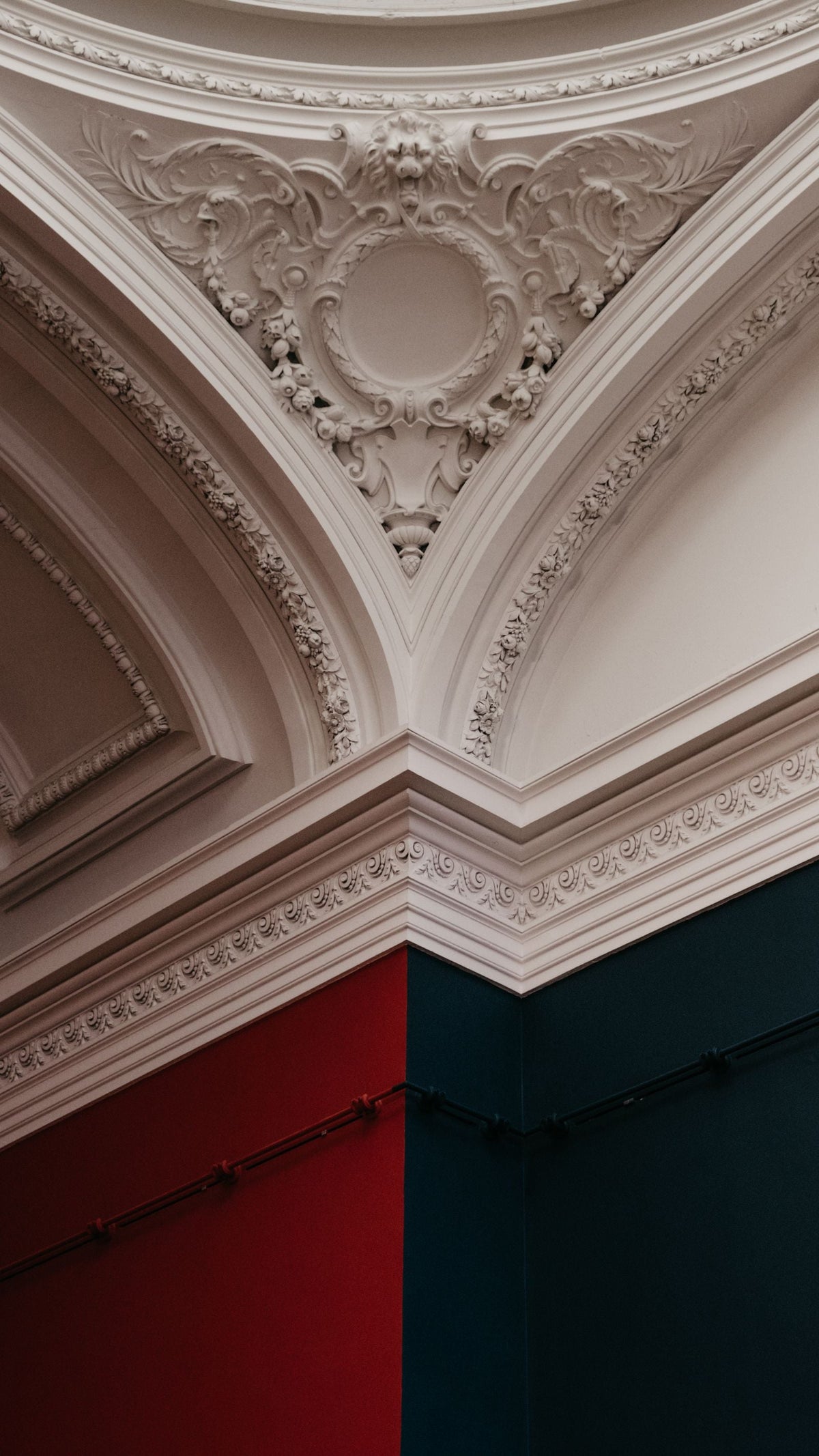
Short answer. Marmorino is a lime plaster made with crushed marble, and because it is breathable it suits the solid brick Victorian and Edwardian houses found across Nottingham, from The Park to Sherwood and West Bridgford. It gives a period room a smooth, stone like finish without trapping damp in the wall. For a listed home, ask the council's conservation officer before booking work.
For every decorative finish we install in Nottingham, from Venetian plaster to limewash, gilding and murals, see our decorative finishes specialist in Nottingham page.
If you want it installed, our own applicators handle Venetian plaster installation from survey to final coat, including Venetian plastering in Nottingham.
Nottingham's older housing owes a lot to the Victorian period. The Lace Market is a district of large Victorian warehouses built for the lace trade, many now used as flats and offices. The Park, near the castle, is a private estate of Victorian houses. Around the city, areas such as Sherwood, Mapperley, Beeston and West Bridgford have streets of red brick Victorian and Edwardian homes. Across the county boundary, Derby has Georgian houses on Friar Gate, and many Derbyshire towns are built in local stone.
Most of these buildings have solid walls with no cavity, plastered inside with lime when they were built.
Marmorino comes from Venice. It is made from slaked lime, which is lime that has been mixed with water and left to mature, together with marble powder and fine marble grains. It sets by taking in carbon dioxide from the air and slowly hardens into something close to stone.
Because it is lime based, Marmorino is porous. Moisture in a solid wall can pass through it and dry out, rather than being trapped behind a plastic film. That is the key difference between a lime Venetian plaster and an acrylic one, which uses a plastic binder. Our article on lime vs acrylic Venetian plaster explains the difference.
Marmorino can be left matt with a gentle texture or trowelled harder for a smoother, polished finish.
Marmorino needs a sound base. Before it goes on, any damp has to be traced and fixed, and blown plaster, meaning plaster that has come away from the wall, needs cutting out and repairing in lime. Cracks are filled and the wall is left to dry. If the base moves later, the finish can crack, which our guide on why Marmorino cracks covers.
Nottingham and Derby both have many listed buildings and several conservation areas. Listed building consent can be needed for internal work. Ask the local council's conservation officer before booking.
To see Marmorino in your colour, order a sample board, call 07592 929191 or email sales@zavore.co.uk. More about our local work is on the Venetian plaster in Nottingham page.
Marmorino is one type of Venetian plaster. It is lime based and contains crushed marble, which gives it a more textured, stone like look than smoother polished plaster.
No. The cause of any damp needs to be found and fixed, and the wall allowed to dry, before Marmorino is applied.
It is applied in thin coats, so it follows the shape of the wall rather than flattening it. Large dips or bulges are dealt with during preparation.
How Marmorino and microcement work on the plasterboard walls of new build apartment towers in Manchester and Salford, and how a job is pl...
BirminghamWhy microcement suits the converted warehouses and newer apartment blocks along Birmingham's canals, and what to check before work starts...
Coventry and WarwickshireAn in depth look at limewash for the cottages of Coventry and Warwickshire, from how it works to how to look after it.
Coventry and WarwickshireWhich polished plaster and stone effect finishes suit the different kinds of home found across Coventry and Warwickshire.
KingstonHow Venetian plaster and other decorative finishes suit the terraces, semis and extensions of Kingston and South West London, and how a j...
BathroomsWhere limewash and lime paint work in kitchens and bathrooms, which areas to avoid, and how to care for them.

Providing luxury finishes for the most prestigious addresses in the world
Venetian plaster, limewash, microcement, tadelakt, metallics, sculptural plaster and gold leaf, supplied and installed by our own team, with Venetian plaster taught at our Birmingham studio.
One list, run by the people who make the material. No noise, and nothing we would not want to read ourselves.
We email as the house has something worth saying, never daily. Unsubscribe from any email, or reply STOP to any text. We never pass your details to anyone.