

✦
Where Artistry Begins
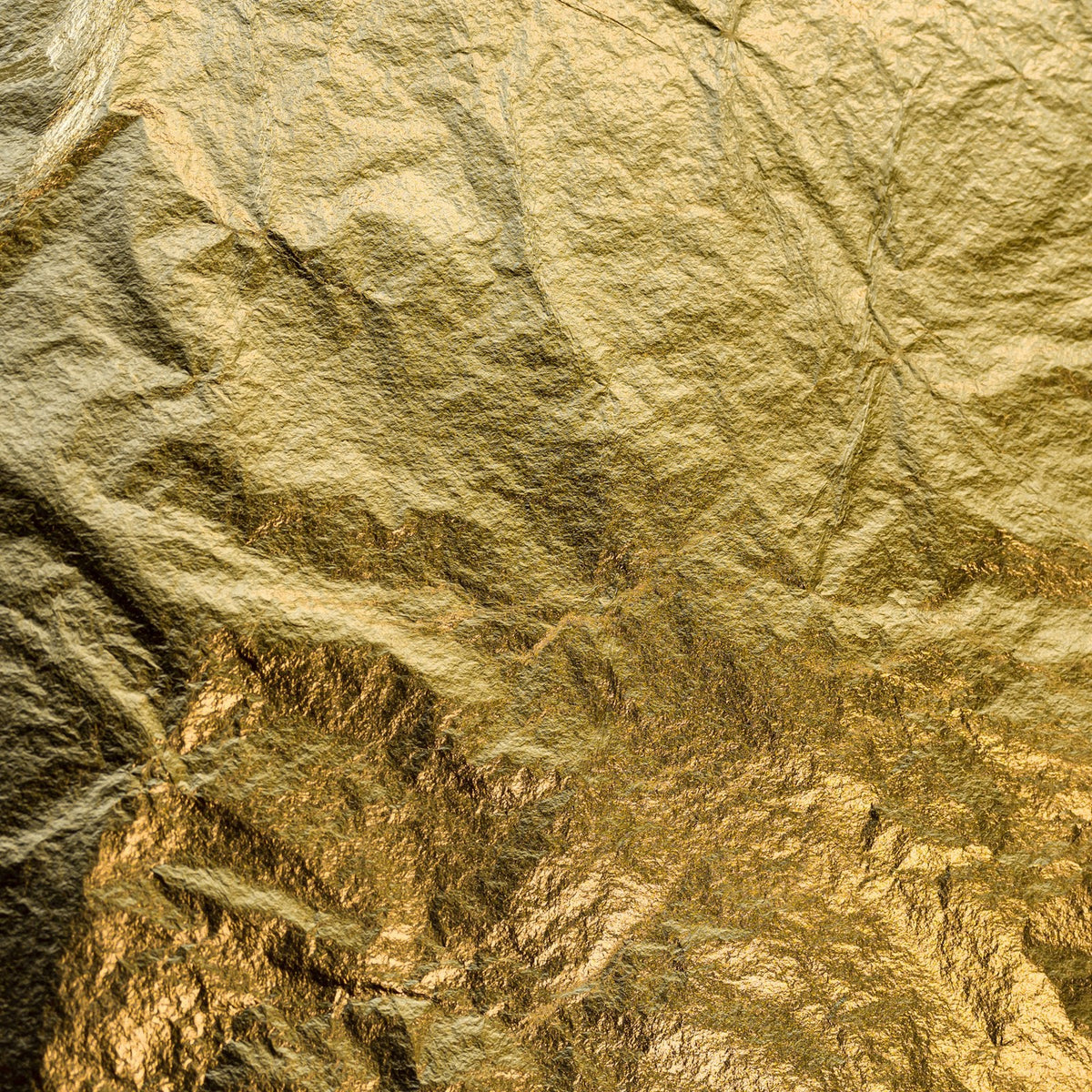
Choose gold leaf for a warm, lasting shine that will not tarnish at high carats, silver leaf for a cool, bright finish that must be sealed or it will darken, and copper leaf for a rosy, glowing colour that also needs sealing. Imitation leaf, usually a copper and zinc alloy known as Dutch metal or composition leaf, gives the look of gold for far less, but it tarnishes quickly and must always be sealed. Which metal leaf is right depends on the colour you want, where the work will be, and how much care it can be given.
Here we look at each metal in turn, from the karats of gold leaf to the behaviour of silver and copper, and finish with where each one suits best. The facts are checked against gilding suppliers' technical guidance and conservation references.

Gold leaf is real gold beaten into sheets so thin that building conservation guidance puts them at around one 250,000th of an inch. It is sold in a range of purities, from about 12 carat up to 24 carat, which is pure gold. Below 24 carat, the gold is alloyed with silver and copper, and those added metals change its colour.
A conservation reference on bookbinding gold describes the range running from a delicate red through yellow to a pale green, depending on the alloy. Broadly, copper warms the colour towards red, while silver pales it towards a greenish yellow. The Italian gold beaters Manetti, for example, list leaf at 24 carat, at several shades between 23 and 23.75 carat, at 22 carat including rose and moon golds, a lemon gold at 18 carat and a white gold at 12 carat.
Carat matters for durability as well as colour. Supplier guidance is that gold of 22 carat and above does not oxidise and needs no sealer, while lower carats can tarnish and should be protected. For exterior work, gilders usually choose a high carat, and Manetti recommends its 24 carat and 22 carat moon gold for exteriors.
White gold leaf is gold alloyed with a large proportion of silver. It has a soft, pale colour somewhere between gold and silver that suits cooler schemes. Because of all that silver, one UK supplier warns that it will tarnish over time and should be sealed.
Genuine silver leaf gives a crisp, bright, cool finish, and it looks lovely as a background for painted work. Its weakness is tarnish. Sulphur bearing gases in the air react with silver to form silver sulphide on the surface. One gilding supplier describes the colour shifting from yellow to blue or purple tones, then grey and eventually black, faster in humid rooms and where it is handled.
Silver leaf therefore needs a clear lacquer or varnish over it, or at least a wax in a stable interior, and that protection needs looking after. Manetti marks silver leaf as always requiring protection and not recommended for exteriors. In water gilding, silver is often laid over black or white bole rather than the red used under gold.
Two alternatives are worth knowing. Imitation silver leaf is usually aluminium. It does not form silver's tarnish, though it can dull and scratch, so it is normally sealed as well. Palladium leaf is a precious metal with a silvery colour that suppliers recommend where resistance to tarnish matters, such as exteriors and bathrooms.

Copper leaf is pure copper beaten into fine sheets. Its colour is a warm, pinkish orange, noticeably pinker than gold, and it brings a glow to dark colour schemes and to anything lit by candles or warm lamps.
Like silver, copper tarnishes. One UK gilding supplier states that copper leaf will tarnish over time and needs sealing, especially outdoors or where it will be touched. Some people enjoy the darker, aged look that copper takes on, but if you want the bright new colour to last, it has to be lacquered.
Imitation gold leaf goes by many names, including Dutch metal, Dutch gold, composition leaf, Schlagmetall and bronze leaf. The Museum of Fine Arts, Boston's materials database describes it as roughly 80 to 88 percent copper and 12 to 20 percent zinc, a form of brass. It costs far less than gold, which makes it popular for covering large areas.
The trade off is tarnish. The same database notes that Dutch metal tarnishes rapidly and must be coated with varnish, shellac or wax, and that it is sensitive to some pollutants. Imitation leaf that is left unsealed will darken and discolour, so sealing is not optional. Properly sealed, it gives a convincing gold effect on walls, ceilings and decorative pieces where the budget would not stretch to real gold.

Metal leaf also makes a striking ground for painting. Zavoré paints hand painted murals on site, including chinoiserie painted onto gold leaf, silver leaf or grasscloth backgrounds, and our guide to hand painted chinoiserie shows how those backgrounds change the mood of a room.

We gild by hand in gold, silver and copper leaf, and in imitation leaf, using both water gilding and oil gilding. That covers walls, ceilings, domes and alcoves, gilded backgrounds for murals, picking out cornice, ceiling roses, panel mouldings, columns and corbels, new gilding and restoration of mirrors, frames, furniture and objects, and gold leaf lettering and signs on boards and glass. We are happy to talk through the options with you before anything is decided.
Genuine gold leaf is, at anything from about 12 to 24 carat. Imitation gold leaf, often called Dutch metal, contains no gold at all. It is a copper and zinc alloy.
Gold of 22 carat and above does not tarnish. Silver, copper, white gold, lower carat gold and Dutch metal all tarnish and need sealing. Aluminium does not tarnish like silver but is normally sealed to protect it from scratches and marks.
Humidity speeds up silver's tarnish, so genuine silver is a poor choice for a steamy room unless it is very well sealed. Suppliers suggest palladium where tarnish resistance matters most.
A sealer adds a thin clear layer over the metal, and it can be chosen in gloss, semi gloss or matt finishes. High carat gold is usually left bare so nothing sits between you and the metal.
Where to go next. See our gilding service, follow our guide on how to apply gold leaf, or read about gilding on glass. To talk through which metal suits your room, get in touch, email support@zavore.co.uk or call or WhatsApp 07592 929191.
Water gilding lays leaf on gesso and bole and can be burnished to a mirror shine, while oil gilding uses oil size and suits walls, mouldi...
DIYA gilder's step by step guide to oil gilding, from preparing the surface and judging the tack of the size to laying loose or transfer lea...
GuidesTrompe l'oeil is painting that fools the eye. We trace it from Roman Pompeii to Mantegna and Pozzo, explain how the illusion works, and s...
CorniceHow to read the period of a cornice in a Georgian, Victorian or Edwardian house, what separates cornice from coving, and how damaged runs...
Buying GuideWhat a ceiling rose is and where it came from, how to size one to the room and the light, which styles suit which period, how to fit one ...
BathroomsIdeas for mosaic splashbacks in kitchens, bathrooms and bars, the materials that cope near heat and water, and a step by step method for ...

Authentic Venetian plaster, machine-tinted to your colour and made for each order. Materials, installation and master-led training, nationwide and international, since 2021.
One list, run by the people who make the material. No noise, and nothing we would not want to read ourselves.
We email as the house has something worth saying, never daily. Unsubscribe from any email, or reply STOP to any text. We never pass your details to anyone.