

✦
Where Artistry Begins
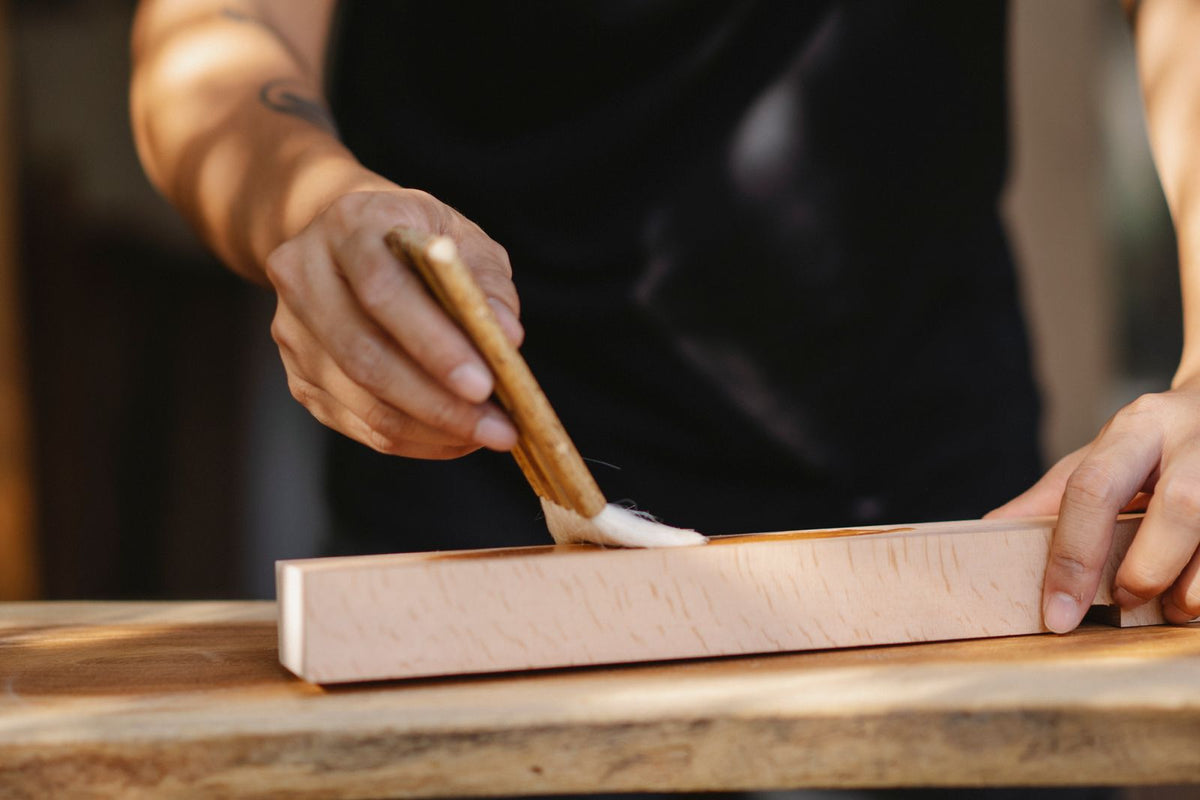
Short answer. The cloudy look of limewash comes from thin, see through coats brushed on in loose, crossing strokes over a damp surface, with each coat drying a little unevenly. A large, soft brush and a relaxed, varied movement give soft cloudiness, while too much paint or tidy straight strokes make it flat or streaky. Zavoré teaches limewash, so ask us about limewash training to practise this with guidance.
For hands on tuition in decorative plaster finishes, see the courses at the Zavoré Training Academy in Birmingham, and if you would rather have it done for you, our own team provides limewash installation across the UK.
Limewash is translucent, which means you can partly see through each coat. When several thin coats sit on top of each other, the parts where the brush pressed harder or softer, or where the wall dried faster, show as soft changes in tone. Lime also dries much paler than it looks wet, and it does so unevenly.
The result is a surface that looks alive and slightly varied. The skill is controlling that variation so it looks deliberate and even across the whole wall, rather than patchy.

Limewash is usually applied with a large brush that holds plenty of liquid, such as a wide block brush or a large wall brush. Natural or good synthetic bristles both work. A roller gives a flatter look and can leave a pattern, so it is less common for a traditional finish.
Keep a smaller brush for edges and corners. Clean brushes in water straight after use, as dried lime is hard to shift.
Stopping halfway across a wall leaves a hard line that is difficult to hide.
Before each coat, the surface is usually damped with a fine mist of clean water. A damp surface takes the limewash more evenly and slows drying, which helps the lime bond and avoids a powdery finish. Hot rooms, strong heaters and draughts all speed drying and can spoil the result.
Each coat needs to dry before the next. Learning to judge when a wall is ready, and how wet to damp it, is a big part of training.
A soft, cloudy finish usually takes several thin coats. The first can look poor, which worries beginners. Later coats even it out and add depth. Training shows you what each stage should look like, so you know when to carry on and when something is wrong. Our guide to limewash problems and fixes explains what goes wrong and why.
Learning the brush work beside someone experienced is the quickest way to get it right. Ask us about limewash training through our contact page, by calling 07592 929191 or by emailing sales@zavore.co.uk. Our training page shows the Venetian plaster courses currently running, and you can see finished lime surfaces by ordering a sample board.
You can with some limewash paints, but a brush gives the traditional cloudy look and works the lime into the surface better.
Usually the coat was too thick, the edges dried before they were blended, or the strokes were too regular.
Yes. Ask us about limewash training and we will explain what is available.
How painting companies in Dubai can order Lime Paint for villa repaint work, with colours tinted room by room, labelled tubs and tracked ...
ContractorsHow plastering contractors can add microcement, tadelakt, limewash and Venetian plaster through Zavoré 1 to 1 Training, group courses of ...
Abu DhabiIf you searched for Venetian plaster paint for a villa in the UAE, here is what we actually supply, which real plaster to order instead a...
CoursesWhat three days on the Zavoré tadelakt course involve, from the base and radiused corners to the burnishing window, the stone, the soap a...
CoursesAn honest look at general plastering courses against the Zavoré Beginner Course in Venetian plaster at our Manchester centre, who each su...
Abu DhabiWhere Venetian plaster belongs in an Abu Dhabi villa bathroom, which finish takes over in the wet zone, and how the walls are sealed, sur...

Providing luxury finishes for the most prestigious addresses in the world
Venetian plaster, limewash, microcement, tadelakt, metallics, sculptural plaster and gold leaf, supplied and installed by our own team, with Venetian plaster taught at our Birmingham studio.
One list, run by the people who make the material. No noise, and nothing we would not want to read ourselves.
We email as the house has something worth saying, never daily. Unsubscribe from any email, or reply STOP to any text. We never pass your details to anyone.