

✦
Where Artistry Begins
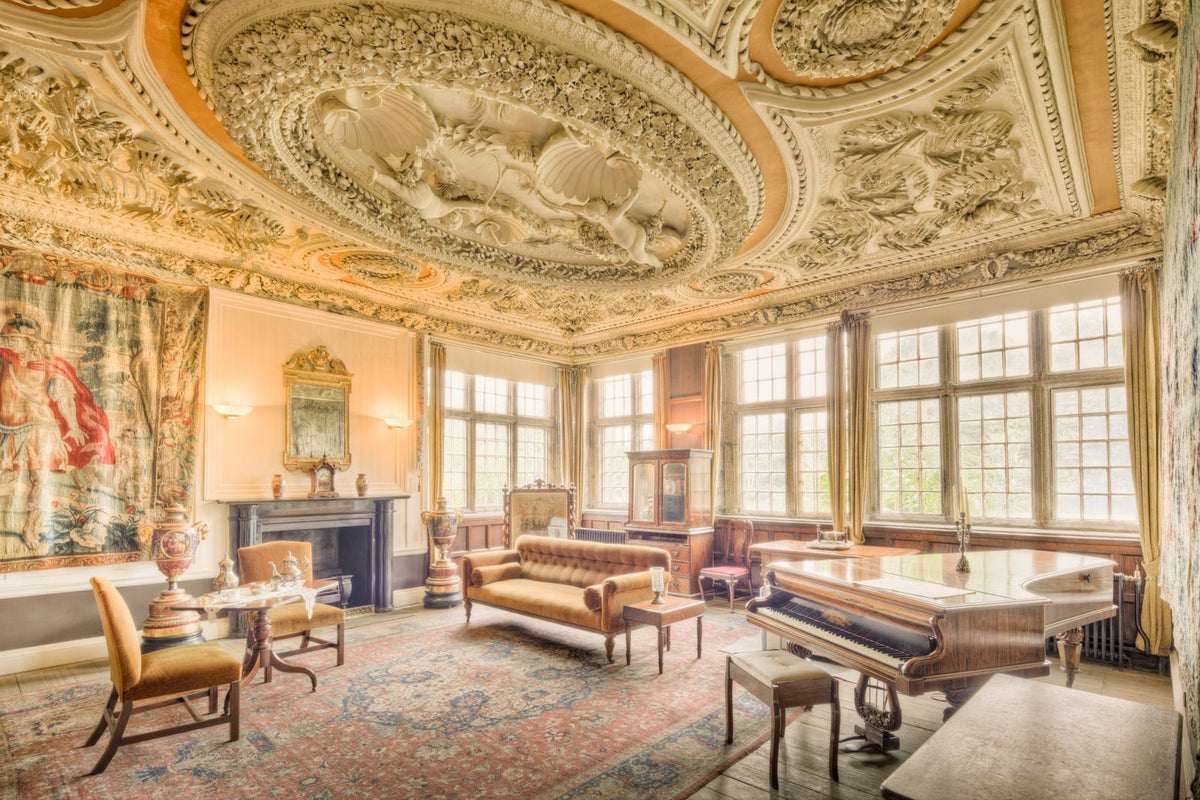
Yes, Venetian plaster works beautifully in Chelsea homes, but the right version depends on the building. A riverside apartment with flat modern walls can take a high polish, while an old Georgian terrace near the Royal Hospital usually suits a softer lime finish that forgives gentle bows in the wall. Zavoré installs Venetian plaster and every decorative finish across Chelsea and the rest of London with our own artisans, always after a survey and an approved sample.
Our Venetian plaster installation page covers how the finish is laid, and Venetian plastering in Chelsea describes the streets and buildings of the district in more depth. This guide works through the main house types, what each one needs and how to plan the job.
The small Georgian and Victorian terraces around the Royal Hospital and the quieter streets off the King's Road often have solid brick walls finished in old lime plaster. Those walls breathe, and they rarely run dead straight. A highly polished finish on a wall like that can exaggerate every undulation, so we often suggest marmorino, which has a fine grain and a quiet sheen, or limewash for a soft, cloudy colour.
The taller houses that face Chelsea's garden squares have grander proportions. Drawing rooms on the first floor, with tall windows over the square, are where a lime based Venetian plaster in a pale stone or warm ivory can look exceptional. The light from the square moves across the surface through the day, so view any sample there in the morning and again in the evening before deciding.
Along Cheyne Walk and Chelsea Embankment stand some of the oldest houses in the district, with Queen Anne and Georgian brick fronts, many of them listed. Inside, original lime plaster, panelling and mouldings may survive. Lime breathes and suits solid masonry, so a lime finish is usually the sympathetic choice, while an acrylic product forms a film that traps moisture in an old wall.
Listed building consent is generally needed for works that affect a listed building's character, so check with your local planning authority before you commit. We can describe the materials and method in plain terms to help that conversation.
Yes, and mansion flats near Sloane Square are some of the most rewarding places for it. Their thick walls and high ceilings give a polished surface room to show its depth, particularly in a hall, a dining room or around a fireplace wall in the main reception room.
The practical side matters as much as the finish. Many leases need the freeholder's permission, so check yours. Mansion blocks also tend to have their own rules on contractors, lifts and working hours, so tell us early about access, parking and how materials reach the flat.
Further west, around Chelsea Harbour and Lots Road, former industrial land has become modern riverside apartments. Here the walls are usually plasterboard or concrete, flat and plain, and the river light is strong. That suits a polished Venetian plaster or a smooth polished plaster at the glossy end of the range.
Plasterboard joints need reinforcing and the right primer before any lime goes on, and a wall that is not flat should be skimmed first. A long wall facing the water is often the natural choice for a feature wall, because the light changes across it all day.
Because wet lime is caustic, we cover floors, joinery and furniture before a trowel touches the wall. Our page on Venetian plaster explains the material, and Venetian plaster in London covers the wider city.
Beyond drawing rooms and halls, Venetian plaster works on stair walls that rise through a narrow townhouse, on a bedroom wall behind the bed and in powder rooms where a deep colour feels intimate. It is not for inside showers. For a wet room, tadelakt or microcement on a waterproofed wall is the right answer, and the sealer makes microcement washable, though the wall behind a shower still needs tanking.
If you would like to see the finishes side by side before deciding, book an appointment at the London showroom and training centre.
Often, yes, provided the old plaster is sound and firmly keyed to the laths. Loose or hollow areas need repair first. A lime based finish such as marmorino is usually kinder to an old wall than a heavy polish, and the survey tells us which route makes sense.
No. Venetian plaster looks like marble without being marble. Ours is made from lime and finely ground marble, laid in thin coats and burnished, so it has depth and coolness to the touch without the weight or joints of stone slabs.
Possibly. As noted above, consent is about the building's character, so the planning authority is the body to ask. If the home is a leasehold flat, read the lease too, since the freeholder may need to agree before decorators start work.
Yes. Courses run in person at our London centre, the Zavoré Academy in Birmingham and our Manchester centre. The Beginner Course is 3 days, the Advanced Course 4 days and 1 to 1 Training 3 days, with all materials included.
For a Chelsea house or flat, the easiest start is an email to sales@zavore.co.uk with photos of the walls, rough measurements and the address, or a call on +44 7592 929191 between 9am and 6pm, Monday to Saturday. A sample board is a helpful way to narrow down colours first.
The protective equipment and habits that keep you safe when working with limewash and lime, and how to ask Zavoré about limewash training.
Buying GuideA step by step guide for Kent homeowners who want to buy authentic Italian Venetian plaster for their own decorator to apply, from sample...
BerkshireWhat housebuilders and developers in Surrey and Berkshire should plan when specifying Venetian plaster for show homes and new homes, from...
BerkshireHow decorative plasterwork and gilding are repaired in listed country houses in Berkshire and Oxfordshire, from recording and consent to ...
HertfordshireHow mosaics can be used in Hertfordshire bathrooms and kitchens, with a nod to the Roman mosaics of Verulamium at St Albans, and practica...
SupplyZavoré sells Bee's Wax Natural, Bee's Wax Paste and Bee's Wax Metallica in Gold and Silver for polished plaster. Here is which one to ord...

Providing luxury finishes for the most prestigious addresses in the world
Venetian plaster, limewash, microcement, tadelakt, metallics, sculptural plaster and gold leaf, supplied and installed by our own team, with Venetian plaster taught at our Birmingham studio.
One list, run by the people who make the material. No noise, and nothing we would not want to read ourselves.
We email as the house has something worth saying, never daily. Unsubscribe from any email, or reply STOP to any text. We never pass your details to anyone.