

✦
Where Artistry Begins
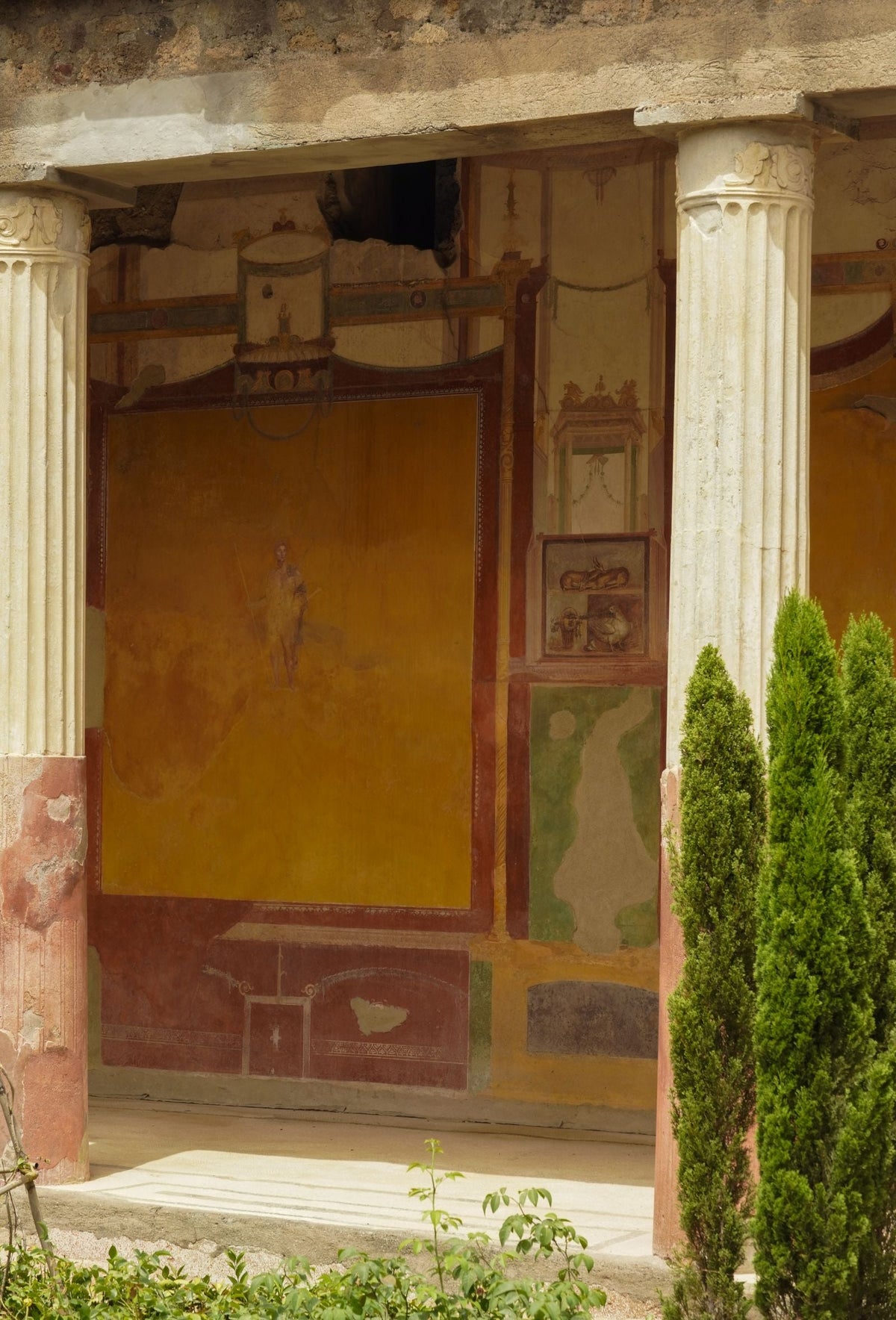
Short answer. Limewash is coloured with pigments that are stable in lime, mostly natural earths and mineral oxides, which give soft, chalky shades. Only a limited amount of pigment can be added before the lime binds less well, and the colour always dries much paler than it looks wet. Zavoré teaches limewash, so ask us about limewash training to learn how to mix and match colours.
For hands on tuition in decorative plaster finishes, see the courses at the Zavoré Training Academy in Birmingham, and if you would rather have it done for you, our own team provides limewash installation across the UK.
Lime is strongly alkaline. Some pigments fade or change in that environment. Lime stable pigments, often called lime fast, are chosen because they hold their colour in lime. Most are earth pigments and mineral oxides, such as yellow and red ochres, raw and burnt umber, raw and burnt sienna and iron oxide reds and blacks.
These pigments have been used with lime for a very long time. Ancient Roman wall paintings, many of them painted on lime plaster, used earth colours like these.

Pigment does not bind itself to the wall. The lime does that. If you add too much pigment, there is not enough lime to hold it, and the finish can rub off. This is why true limewash naturally sits in the soft, earthy part of the colour range, and why very strong colours are hard to reach.
Training shows you how far you can push a colour and how to build depth with more coats instead of more pigment.
The base colour of the lime matters too. Lime putty is naturally white, so every colour mixed into it is softened. A deep ochre in the pot becomes a warm, chalky yellow on the wall. Learning to predict that change, and to explain it to customers before they choose, saves a lot of disappointment and repainting later.
Recording mixes is what lets you match a colour later, repeat it on another job and touch up years afterwards.
Limewash looks much darker wet than dry. A colour can change a great deal as it dries and keeps settling for days. This catches out beginners more than anything else. Testing on boards and waiting for them to dry fully is the only reliable way to judge.
Our guide to choosing limewash colours covers colour families from the customer's side.
For many jobs, a ready made product removes the need to mix pigment on site. Zavoré tints its lime finishes to the customer's colour before they ship, and makes sample boards so customers can see the dried result. The colour booklet is a helpful starting point.
If colour mixing is the part you want to master, ask us about limewash training through our contact page, by calling 07592 929191 or by emailing sales@zavore.co.uk. Our training page lists the Venetian plaster courses currently running at the Zavoré Academy.
No. Use pigments that are stable in lime. Many standard paint tints are not made for lime.
Lime always dries much paler than it looks wet. Test on a board and judge it only when fully dry.
Yes. Zavoré tints its lime finishes to the customer's colour before shipping.
What to do when you need more plaster in the same colour as an earlier order, and how to plan a job so any difference between mixes never...
LondonA guide to Venetian plastering in London with a focus on Grassello, the high polish lime putty finish also known as stucco veneziano, and...
GlasgowA room by room guide to Venetian plaster and other decorative finishes in Glasgow and Edinburgh homes today, and how Zavoré plans work in...
EdinburghEdinburgh's Old and New Towns are full of listed sandstone homes with lime plaster on lath. This guide covers suitable finishes and the c...
Abu DhabiA plain comparison of Venetian plaster and microcement for a UAE villa, covering walls and floors, wet zones, look, feel and care. Zavoré...
Abu DhabiWhether Venetian plaster can go over painted walls in a UAE villa, what the survey checks, how sound and flaking paint differ and which p...

Providing luxury finishes for the most prestigious addresses in the world
Venetian plaster, limewash, microcement, tadelakt, metallics, sculptural plaster and gold leaf, supplied and installed by our own team, with Venetian plaster taught at our Birmingham studio.
One list, run by the people who make the material. No noise, and nothing we would not want to read ourselves.
We email as the house has something worth saying, never daily. Unsubscribe from any email, or reply STOP to any text. We never pass your details to anyone.