

✦
Where Artistry Begins
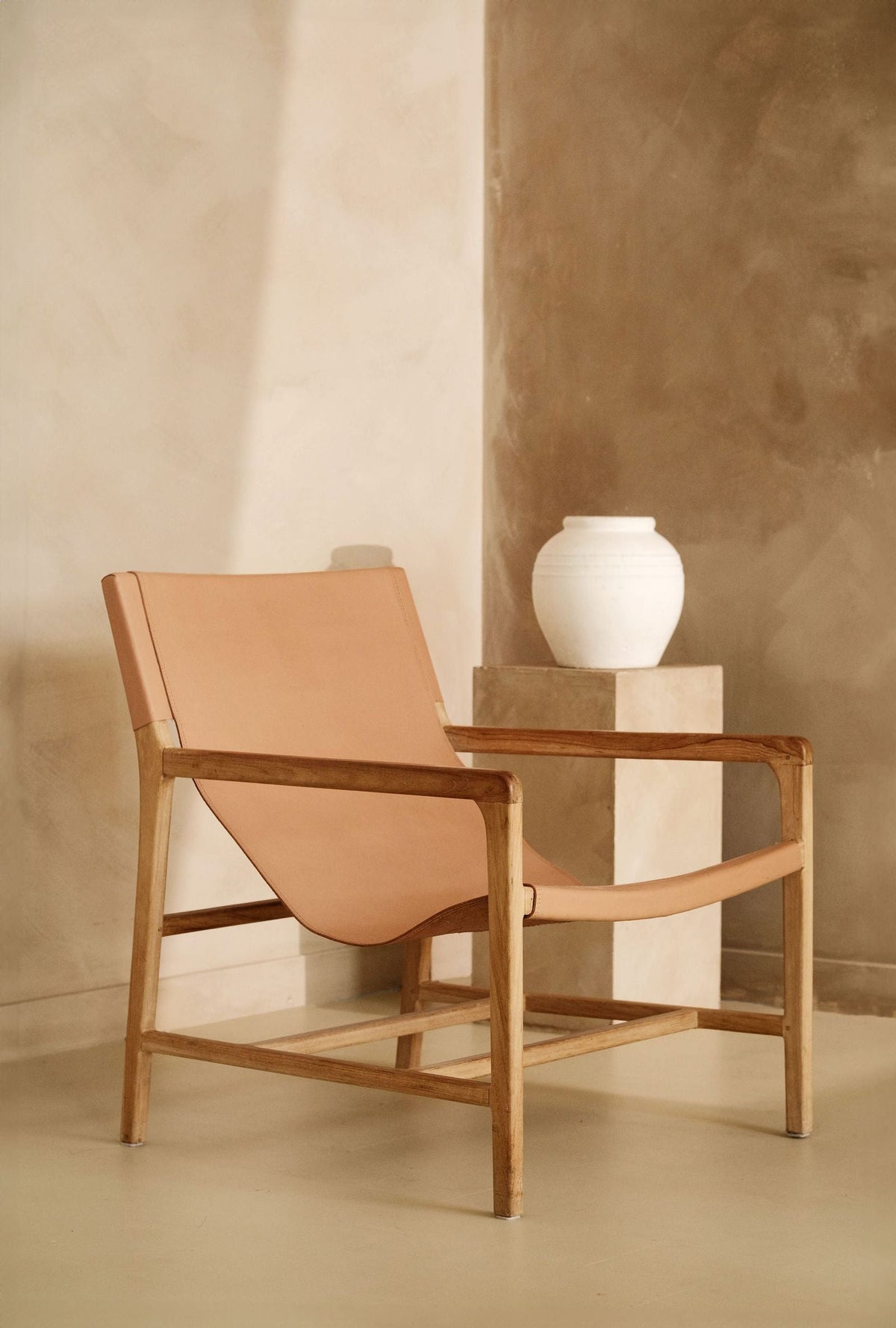
A lime plaster finish is a decorative wall surface made with lime as its binder, from glossy Venetian plaster and stony marmorino to textured travertino, soft limewash and water resistant tadelakt. Lime plaster walls breathe, letting moisture pass through rather than trapping it, which makes lime finishes a natural fit for the solid brick and stone walls of older British homes. Zavoré installs, supplies and teaches every lime finish, and this guide explains how they differ and where each one belongs.
The most polished member of the family is Venetian plaster, while the softest is limewash, which our team brushes on through our limewash installation service. Between those two sits a range of textures for almost any room.
Most modern paints and many decorative coatings are acrylic. They dry by forming a plastic film over the wall. Lime works another way. After it is applied it slowly takes in carbon dioxide from the air and turns back into a form of limestone. The surface hardens over time, stays open to water vapour and becomes part of the wall rather than a skin on it.
That difference matters most in older properties. Victorian terraces, Georgian townhouses, farmhouses, cottages and converted barns usually have solid walls with no cavity. Those walls need to release moisture into the room. Seal them with a film and the damp can be trapped behind it, causing blistering and mould. Lime plaster walls let the masonry dry naturally. In newer homes with plasterboard, lime finishes still work well once the board is correctly prepared, though breathability matters less there.
The lime family covers a wide range of looks. These are the main lime finishes used on interior walls today.
Lime and finely ground marble, laid in thin coats and burnished with a steel trowel until it shines. It gives a marble look with depth and movement, though it is not marble. Sheen ranges from satin to high gloss. See our page on polished plaster for colours.
A slightly coarser lime and marble mix that gives a stony, softly speckled surface. It can be left matt or lightly polished, and it is often chosen for period rooms where a high gloss would feel too modern. More on marmorino.
A lime finish worked to imitate travertine stone, with bands and small voids running across the wall. It suits hallways, feature walls and fireplace breasts. See travertino.
The thinnest lime finish, brushed on in several dilute coats. It dries to a chalky, cloudy matt with gentle colour variation. It is the traditional finish for cottages, barns and old stone, and it is popular in modern homes for its soft texture. See limewash.
Lime can be worked into a soft, earthy, matt texture that resembles clay, ideal for bedrooms and quiet living spaces. If you want true clay itself, our clay plaster page explains the difference.
A Moroccan lime plaster, compacted with a stone and treated with soap so the surface becomes water resistant. Laid over a waterproofed wall, it is a seamless choice for showers, wet rooms and basins. Read more about tadelakt.
As a rough guide, these are the places each finish tends to work well.
Preparation depends on the background. Bare solid masonry and old lime plaster are cleaned, repaired with compatible lime materials and dampened so the new finish does not dry too fast. Painted walls need sound paint and a suitable primer. Plasterboard needs its joints reinforced and the right primer so the finish grips evenly. Polished lime finishes need a flat wall, because they show every dip.
Application follows the finish. Limewash is brushed in thin coats. Marmorino, travertino and Venetian plaster are laid with steel trowels in coats that firm up between passes. Tadelakt is laid thicker, then compacted and soaped. Lime needs time to cure, so rooms should be ventilated and protected from frost and direct heat while it does.
Lime finishes are low maintenance. Dust with a dry cloth, and wipe waxed or polished surfaces with a damp cloth and mild soap. Limewash is more delicate and is refreshed by brushing on another thin coat rather than scrubbing. Tadelakt benefits from an occasional soap treatment to keep its water resistance. Avoid harsh solvents and acidic cleaners on all lime. Small chips in trowelled finishes can usually be repaired and blended in with the same tinted material.
For the basics, read our complete guide to what Venetian plaster is, and our guide to choosing Venetian plasterers in London and the UK.
For solid brick and stone walls, lime is usually the more suitable choice because it lets moisture escape. Modern film forming finishes can trap damp in old masonry. For plasterboard in newer homes, both can work with the right preparation.
Often, yes, if the paint is sound and the wall is primed correctly. On solid walls, though, the paint itself may block breathability, so stripping back to the masonry is sometimes the wiser route.
Waxed Venetian plaster and tadelakt are the toughest everyday surfaces. Limewash is the most delicate, though it is easy to refresh with a new coat.
Fine hairline cracks can appear if the background moves or the finish dries too fast. Good preparation, the right primer and protecting the wall while it cures keep this to a minimum, and small cracks can be repaired.
If you are unsure which lime finish suits your walls, send photos of the room, rough measurements and the address to sales@zavore.co.uk or call +44 7592 929191, Monday to Saturday, 9am to 6pm. Our 48 house colours or any NCS reference can be tinted onto a sample board so you can see the finish in place.
The protective equipment and habits that keep you safe when working with limewash and lime, and how to ask Zavoré about limewash training.
Buying GuideA step by step guide for Kent homeowners who want to buy authentic Italian Venetian plaster for their own decorator to apply, from sample...
BerkshireWhat housebuilders and developers in Surrey and Berkshire should plan when specifying Venetian plaster for show homes and new homes, from...
BerkshireHow decorative plasterwork and gilding are repaired in listed country houses in Berkshire and Oxfordshire, from recording and consent to ...
HertfordshireHow mosaics can be used in Hertfordshire bathrooms and kitchens, with a nod to the Roman mosaics of Verulamium at St Albans, and practica...
SupplyZavoré sells Bee's Wax Natural, Bee's Wax Paste and Bee's Wax Metallica in Gold and Silver for polished plaster. Here is which one to ord...

Providing luxury finishes for the most prestigious addresses in the world
Venetian plaster, limewash, microcement, tadelakt, metallics, sculptural plaster and gold leaf, supplied and installed by our own team, with Venetian plaster taught at our Birmingham studio.
One list, run by the people who make the material. No noise, and nothing we would not want to read ourselves.
We email as the house has something worth saying, never daily. Unsubscribe from any email, or reply STOP to any text. We never pass your details to anyone.