

✦
Where Artistry Begins
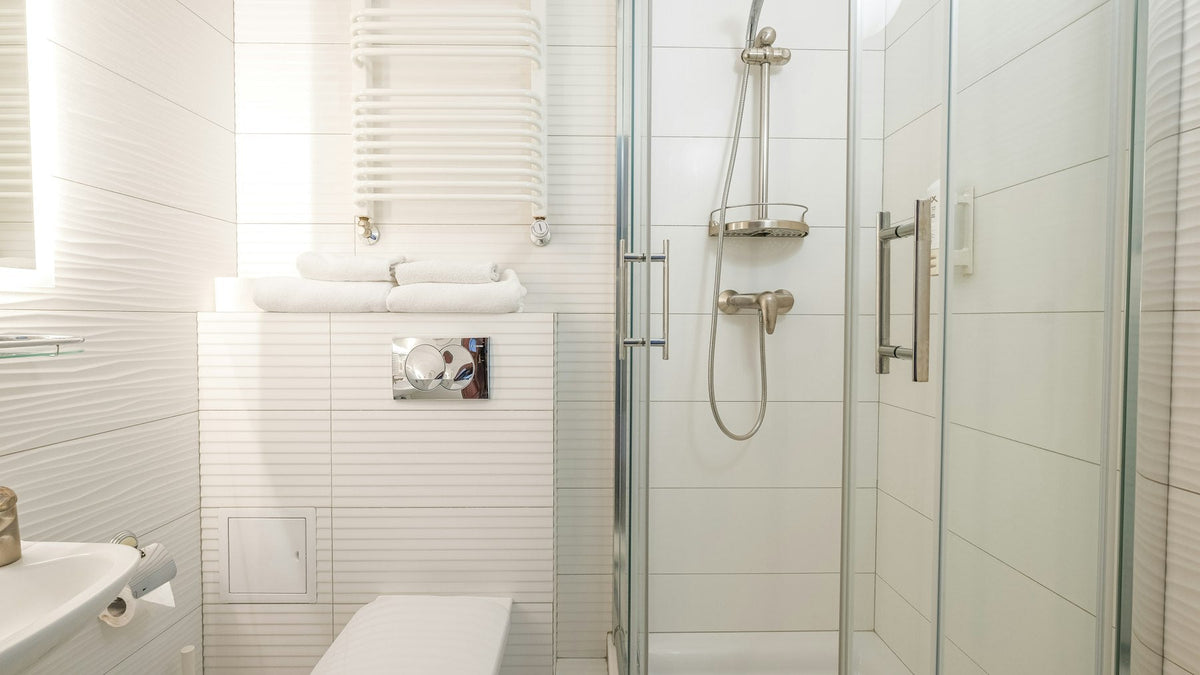
Short answer: microcement is water resistant once it is properly sealed, but it is not a waterproofing system on its own. In showers, wet rooms and around baths, it should go over a separate waterproofing layer. Get that wrong and water can find its way through hairline cracks or worn sealer into the wall or floor behind. Here is how it actually works.
Would you rather have it done for you? Our own applicators provide microcement installation across the UK.
The microcement coats are a mineral material, so on their own they can absorb a little water. The sealer is what stops water soaking in and makes the surface wipe clean. That is enough for splashes on walls, kitchen splashbacks and bathroom floors outside the shower. Where water sits or runs all the time, you need a waterproof membrane under the microcement as well.
Sealer wears with cleaning, foot traffic and time. Once it thins, the microcement can start to absorb water and stain. Using mild cleaners, avoiding abrasive pads and topping up the sealer when water stops beading on the surface keeps it protected.
Some lime finishes resist water through a different chemistry, using soap or wax worked into the surface. They also need the right specification for wet areas. If you are weighing the options, read our Venetian plaster bathroom guide and microcement bathroom guide.
Yes, over a waterproof membrane and finished with a sealer made for wet areas.
Yes, from time to time. How often depends on use. Showers and floors need it more often than feature walls.
Through cracks, worn sealer or badly sealed edges around fittings, yes. That is why the waterproofing layer underneath matters.
It is a popular choice, as long as the floor is built to falls, fully tanked and properly sealed. See microcement shower trays.
A guide to how many coats limewash and limewash paint usually need, and how long to wait before each coat and before judging the colour.
Clay PlasterWhat clay plaster is, why its soft matt finish suits bedrooms and nurseries in Stockport and Trafford homes, and where it should not be u...
PortfolioPractical steps for building a decorative plaster portfolio from nothing, starting with the boards you make on a Zavoré Academy course.
BirminghamHow gilding with real metal leaf can be used in the homes, workshops and converted buildings of Birmingham's Jewellery Quarter, and what ...
KingstonPolished plaster is hard wearing, wipes clean and covers tall stair walls without joins. Here is how a hallway and stair job is planned i...
Feature WallsHow to plan a limewash paint feature wall in a modern house or flat, from picking the wall to colour and preparation.

Providing luxury finishes for the most prestigious addresses in the world
Venetian plaster, limewash, microcement, tadelakt, metallics, sculptural plaster and gold leaf, supplied and installed by our own team, with Venetian plaster taught at our Birmingham studio.
One list, run by the people who make the material. No noise, and nothing we would not want to read ourselves.
We email as the house has something worth saying, never daily. Unsubscribe from any email, or reply STOP to any text. We never pass your details to anyone.