

✦
Where Artistry Begins
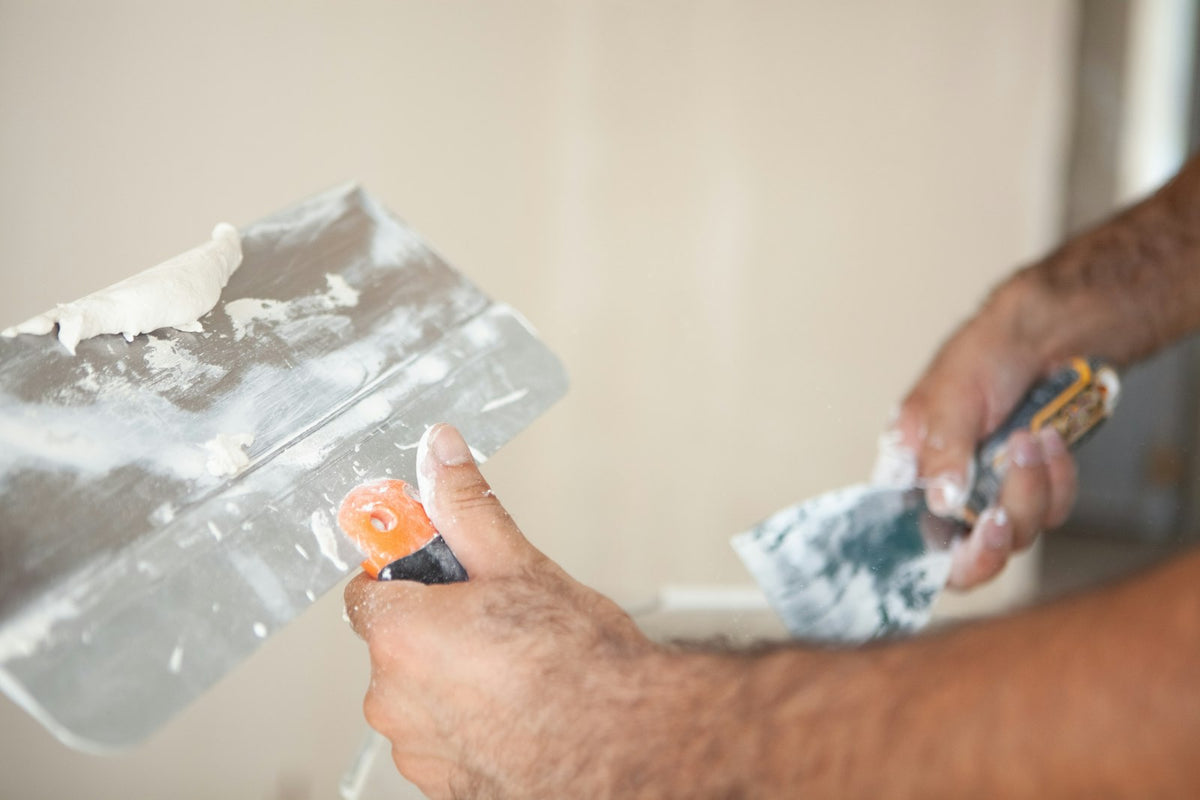
Venetian plaster is laid in thin coats with a steel trowel and burnished to bring up a sheen. It is not difficult to start, but it rewards patience and practice. This is a plain step by step guide for beginners and DIYers, covering the kit, the preparation, the coats and the wax. Always follow the technical data sheet for the product you are using, because drying times and coat numbers vary between products.
Venetian plaster is what Zavoré supplies, installs and teaches, and our own team provides Venetian plaster installation across the UK.
The full kit list, with what each tool does, is in Venetian plaster tools. To work out how much plaster to buy, read how much Venetian plaster do I need.
The wall must be sound, dry, clean and flat. Fill cracks and holes, sand them smooth and remove dust. Every bump shows through a polished finish. For plasterboard, joints and screws need filling and sanding. Read how to prepare walls for Venetian plaster.
Apply the primer evenly and let it dry fully. Primer helps the plaster grip and evens out how much the wall absorbs.
Load a little plaster on the trowel and spread it thinly over the wall with short, overlapping strokes in different directions. Hold the trowel at a low angle. The aim is an even, thin coat, not full coverage at any cost. Let it dry.
Lay the second coat even thinner, filling the gaps left by the first. This is where the pattern and depth start to appear.
As the last coat starts to firm up, run a clean trowel over the surface with firm pressure, held almost flat. This compresses the plaster and brings up the sheen. For a higher shine, some finishes take a further thin coat and more burnishing.
Once the plaster is dry, spread a thin layer of wax with the trowel or a cloth and buff it. Wax adds sheen and makes the wall easier to wipe clean. Read how to wax Venetian plaster.
Reading helps, but a day with a trowel in your hand helps more. The Zavoré Academy in Birmingham runs hands on Venetian plastering courses. See our training page.
Yes. Many people do a feature wall themselves. Start with a practice board and a small wall.
Usually at least two, and more for a high polish. Check the product's data sheet.
Yes. A stainless steel Venetian trowel with rounded corners avoids marks and does not stain the plaster.
A guide to how many coats limewash and limewash paint usually need, and how long to wait before each coat and before judging the colour.
Clay PlasterWhat clay plaster is, why its soft matt finish suits bedrooms and nurseries in Stockport and Trafford homes, and where it should not be u...
PortfolioPractical steps for building a decorative plaster portfolio from nothing, starting with the boards you make on a Zavoré Academy course.
BirminghamHow gilding with real metal leaf can be used in the homes, workshops and converted buildings of Birmingham's Jewellery Quarter, and what ...
KingstonPolished plaster is hard wearing, wipes clean and covers tall stair walls without joins. Here is how a hallway and stair job is planned i...
Feature WallsHow to plan a limewash paint feature wall in a modern house or flat, from picking the wall to colour and preparation.

Providing luxury finishes for the most prestigious addresses in the world
Venetian plaster, limewash, microcement, tadelakt, metallics, sculptural plaster and gold leaf, supplied and installed by our own team, with Venetian plaster taught at our Birmingham studio.
One list, run by the people who make the material. No noise, and nothing we would not want to read ourselves.
We email as the house has something worth saying, never daily. Unsubscribe from any email, or reply STOP to any text. We never pass your details to anyone.