

✦
Where Artistry Begins
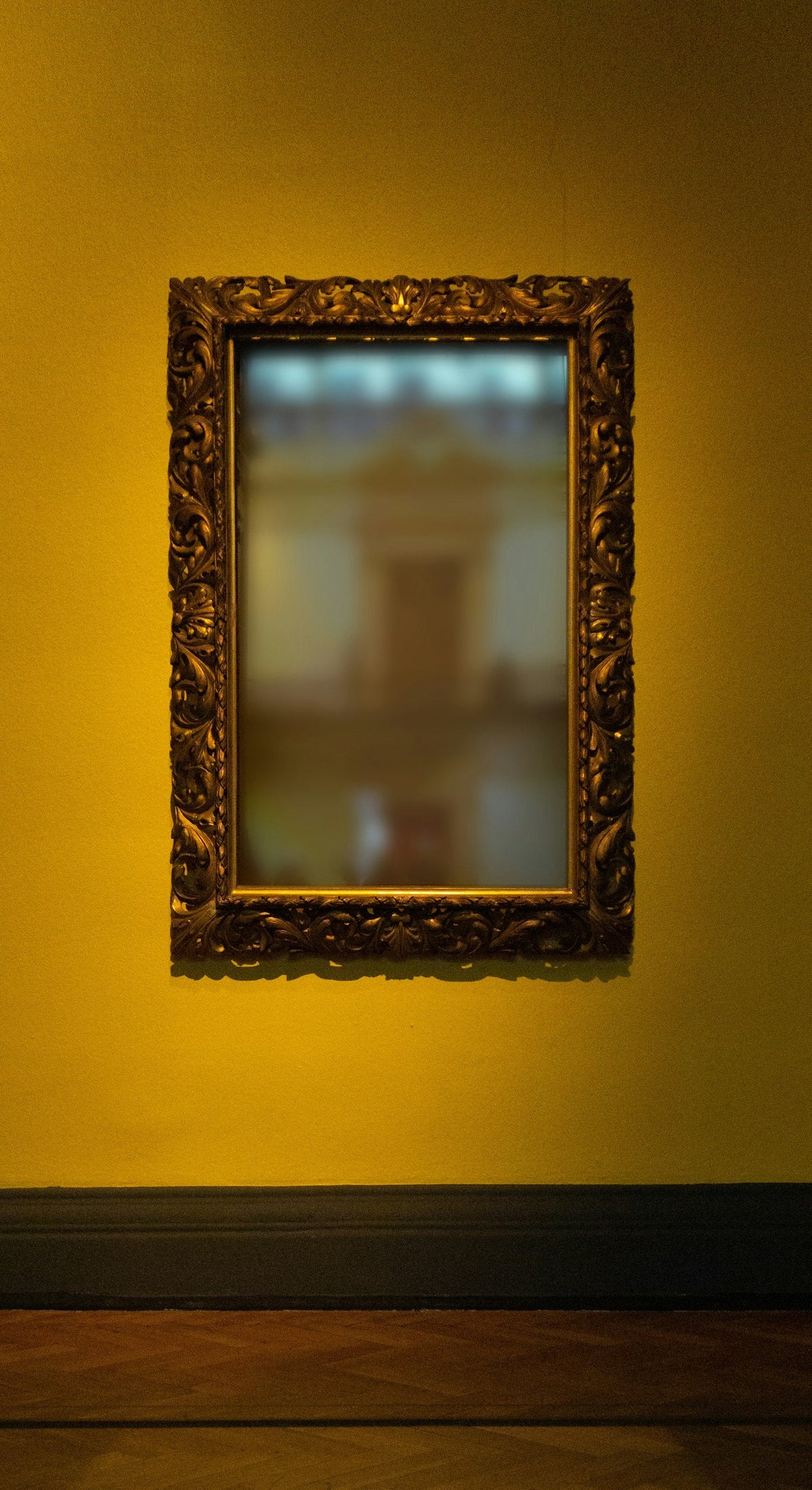
Water gilding and oil gilding are the two traditional ways of laying gold leaf. In water gilding, the leaf is floated onto layers of gesso and coloured clay called bole, which are wetted with water so the glue in them holds the gold. Once dry, it can be burnished with an agate stone to a brilliant, mirror like shine. In oil gilding, the leaf is laid onto an oil based adhesive called gold size. It needs far less preparation, gives a softer lustre, copes with more surfaces and can be used outdoors. As a rule of thumb, water gilding suits fine frames, furniture and objects indoors, while oil gilding suits walls, ceilings, mouldings, signs and anything exposed to the weather.
Would you rather have it done for you? Our own applicators provide gilding and gold leaf installation across the UK.
Below we explain how each method works, how the finishes differ, how durable they are and which objects suit which. We have checked the history and the technical detail against museum and conservation sources and gilding suppliers' guidance.

Water gilding is the older and more demanding of the two methods, and most of the work happens before any gold appears.
The surface, usually carved wood, is built up with gesso, a mixture of animal glue and whiting, which is finely ground chalk. Rabbit skin glue is the traditional binder. Building conservation guidance describes six to twelve coats being applied, then rubbed smooth, so that the gesso can be cut and polished to a perfectly even surface.
Over the gesso go several coats of bole, a refined clay mixed with glue. Bole gives the burnished gold its smooth bed and its undertone. The Italian gold beaters Manetti explain that red bole gives a warmer gold and yellow bole a paler one, while black or white bole is often used under silver.
The gilder wets a small area of bole with water, usually with a little alcohol added, sometimes called gilder's liquor or gilding water. The water reactivates the glue in the bole, and the loose leaf, carried on a gilder's tip, is laid onto the wet surface, where it is drawn down flat. The Royal Collection Trust describes the gold bonding to the surface as the animal glue dries. The gilder works section by section, overlapping each sheet.
Once the gilding has dried for some hours, the gilder rubs selected areas with an agate burnisher, a smooth polished stone set in a handle. This presses the gold onto the hard, slippery bole and turns it from a soft gleam into a deep, reflective shine. Areas left unburnished stay matt.
Oil gilding uses a gold size made with linseed oil. The surface is primed and sealed, the size is brushed on, and the leaf is laid once the size has dried to a tack. The Royal Collection Trust notes that oil gilding needs considerably less preparation and can be applied straight onto a lightly prepared surface. It works on most building surfaces, not just wood, which is why it is the everyday method for architectural gilding.
Oil gilding cannot be burnished with an agate. It is finished by brushing away the loose leaf and buffing gently with cotton wool or a soft brush. Our step by step guide on how to apply gold leaf covers the method in detail.

The look is the biggest difference you will see. Burnished water gilding has a depth and brilliance that is very close to solid polished gold. Oil gilding, the Royal Collection Trust notes, usually gives a more matt appearance, an even, soft glow.
Water gilding also lets a gilder play the two finishes against each other. On a fine frame, raised mouldings may be burnished bright while the background is left matt, so the ornament seems to catch the light. That contrast is one of the main reasons water gilding is still chosen for frames and furniture.
Water gilding is held by glue that is softened by water, so it is suited to dry interiors. Manetti's guidance is that it is unsuitable for exterior or damp environments. Indoors, it can last a very long time. Building conservation guidance points to a burnished gilded couch from the tomb of Tutankhamun, still in pristine condition after some three thousand years, and says unvarnished interior gilding should last almost indefinitely.
Oil gilding is the tougher method in damp or exposed places. Building conservation guidance describes it as suitable for most building surfaces inside and out, which is why gilding on exteriors, from domes to ironwork and signs, is done with oil size rather than water. Exterior gilding still weathers over time and eventually needs renewing.

When restoring, gilders generally aim to match the method that was used originally, which is one reason old gilding should be looked at closely before any work begins.
Zavoré gilds by hand using both water gilding and oil gilding, in gold, silver and copper leaf and in imitation leaf. We choose the method to suit the object and where it will live, whether that is a burnished mirror frame, a gilded ceiling or lettering on a board or window. We also restore and regild existing mirrors, frames, furniture and objects, working across the UK including London, Birmingham and Manchester.
Gilding is very old. Britannica records that the ancient Egyptians were skilled gilders who applied thin gold leaf to royal mummy cases and furniture. The Greeks developed fire gilding of metal, using an amalgam of gold and mercury, and the Romans used gilding lavishly in temples and palaces.

In medieval Europe, water gilding was used to spectacular effect on panel paintings and altarpieces. The National Gallery describes how the panel was made flat with layers of glue size and gesso, then given a thick layer of red bole. Water was brushed on, the gold leaf laid on top and then burnished smooth, and gilders added incised lines, rings and punch marks so the gold would shimmer. Much of what we know comes from Cennino Cennini's handbook on painting, written in the fourteenth century. Gilders today still use essentially the same materials.
Water gilding generally takes much longer, because of the many layers of gesso and bole and the burnishing, so it usually costs more for the same area. Every project is different, so we always price the work in front of us.
No. Its glue based layers are softened by water, so it is kept for interiors. Exterior gilding is done with oil size.
Often, yes. Bright burnished areas, especially where they sit next to matt areas, point to water gilding. A gilder can usually confirm by looking closely at worn spots, where gesso and coloured bole may show through.
No. Traditional gilding gesso is whiting bound with animal glue, built up in thin coats on wood. It is a different material from the plaster used on walls.
Where to go next. See our gilding service, read our guide to choosing gold, silver or copper leaf, or find out about restoring gilded mirrors. To talk about a piece or a room, get in touch, email sales@zavore.co.uk or call or WhatsApp 07592 929191.
Why limewash is a useful skill for builders and restoration trades who work on older buildings, and how to ask Zavoré about limewash trai...
LimewashHow limewash fits alongside Venetian plaster in a decorative finishing business, and how to ask Zavoré about limewash training.
InstallationHow to decide between buying Zavoré material supply only for your own decorator and having our applicators supply and install the finish.
AftercareA guide to the first weeks and months after a Zavoré installation, covering drying, gentle cleaning, fixings, small marks and when to get...
CommercialHow commercial decorative plaster installations are planned around opening hours and fit out programmes, and what to agree about site pap...
FlatsWhat to expect if you stay at home or in your flat while Zavoré installs a polished plaster, limewash or microcement finish.

Providing luxury finishes for the most prestigious addresses in the world
Venetian plaster, limewash, microcement, tadelakt, metallics, sculptural plaster and gold leaf, supplied and installed by our own team, with Venetian plaster taught at our Birmingham studio.
One list, run by the people who make the material. No noise, and nothing we would not want to read ourselves.
We email as the house has something worth saying, never daily. Unsubscribe from any email, or reply STOP to any text. We never pass your details to anyone.