

✦
Where Artistry Begins
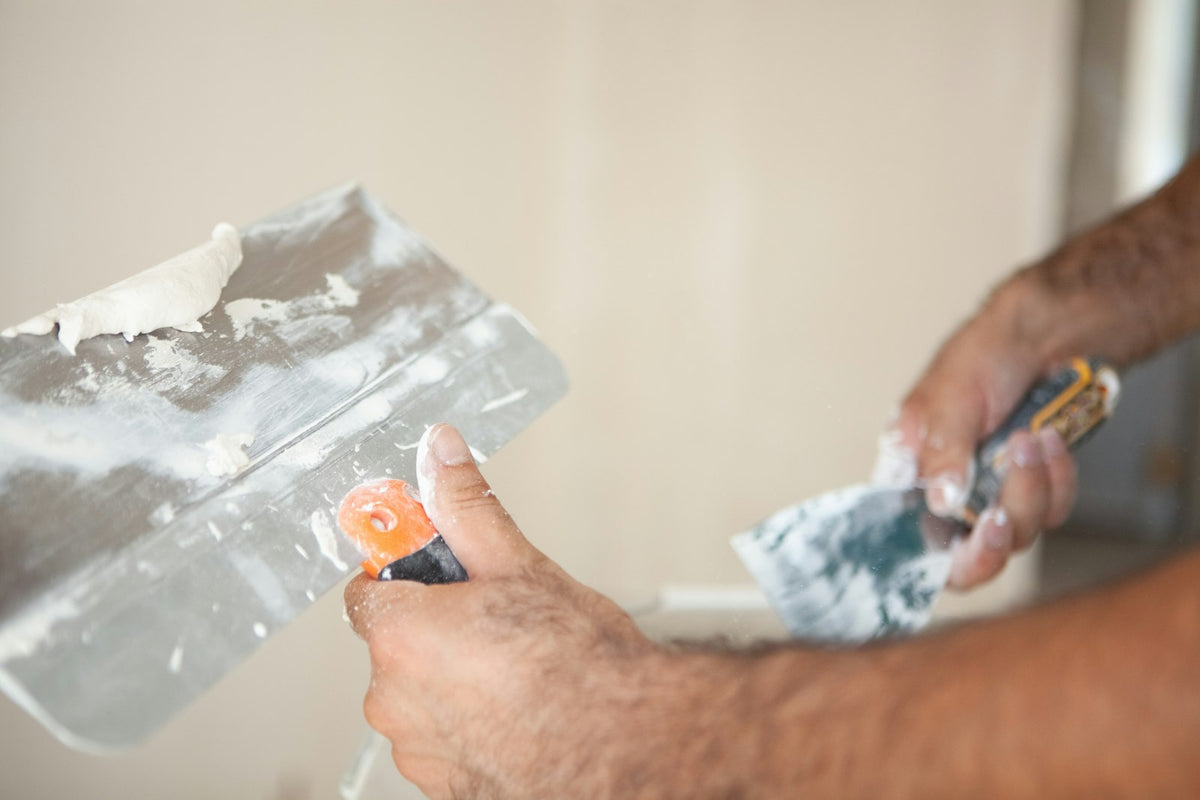
Venetian plastering stage by stage runs from your first photos to a survey, a colour sample, wall preparation, several thin lime coats and a final burnish or wax. Zavoré carries out Venetian plastering in homes across London, Birmingham, Manchester and the UK with its own artisans, and this guide explains what happens in your home at each stage.
Our page on Venetian plaster installation sets out the service in full, and you can find your town on the map of Venetian plastering across the UK.
Everything begins with information. Send photos of each wall, any drawings or plans, and rough sizes, along with a note on how the room is used. A hallway in a family home, a principal bedroom and a restaurant counter all lead to different advice. If there are other works planned, such as new electrics or joinery, tell us at this point.
We visit to see the walls in person. The survey covers the substrate, flatness, cracks, damp, movement, access and the protection the room will need. Old solid walls in Victorian terraces and Georgian townhouses suit lime because it breathes, whereas acrylic forms a film. Plasterboard in a new build needs reinforced joints and the right primer. Polished finishes show every dip, so flatness is checked closely. If a wall needs skimming, stripping or a damp problem fixed first, we tell you plainly.
Only after the survey do we give a price. There is no fixed rate, because area, height, preparation, finish and access vary so much.
Next comes colour and finish. You can choose from 48 house colours or give us any NCS reference, and pick a sheen from soft marmorino to high gloss polished plaster. We make a sample board so you can see it in the actual room, in daylight and lamplight. Our main Venetian plaster page shows the range of looks. Dates are agreed only once the sample and price are approved.
On the first day the room is protected. Floors, skirting, windows and sockets are covered, and furniture is moved out or wrapped. It helps if other trades have finished and the room is clear. Then preparation begins. Depending on the survey, this can mean filling and sanding, reinforcing board joints, applying primer, or making good old plaster. This stage decides how the final finish looks, so it is never rushed.
With the wall ready, the first coats go on. Venetian plaster is laid in several very thin layers of lime, each pressed and spread with a steel trowel. The first coats build body and an even base. Each one must dry before the next, so there are natural pauses in the day. Gentle heating in colder months helps, but forcing the drying with heaters close to the wall can cause problems.
Because each coat should be laid consistently across the whole wall, we plan the work in blocks of days so the same artisans stay on the job and lay every coat in order.
The final layers create the look. For a soft marmorino, the surface is closed and smoothed to a satin sheen. For polished plaster, which is the burnished end of Venetian plaster, the trowel compresses the last coat until it shines with a marble look, though it is not marble. Wax can be applied to deepen the colour and add a richer sheen. Once finished, the protection comes off and the room is cleaned down.
We do not quote timescales in weeks, because it depends on the size of the area, the preparation, the finish and how quickly coats dry in your home. A single feature wall is very different from a whole stairwell. The survey lets us plan the days properly, and we give you a clear plan before work starts.
If you rent, ask your landlord first. If you own a flat, many leases need the freeholder's permission, so check yours. Listed building consent is generally needed for works that affect a listed building's character, so check with your local planning authority.
After the final coat, the wall continues to harden over time. Avoid hanging pictures or pushing furniture against it straight away. Clean with a soft dry or barely damp cloth, and avoid harsh cleaners. Small marks can usually be repaired locally. Remember that Venetian plaster is not for inside showers; tadelakt or microcement on a waterproofed wall is the right choice there.
If you would like to learn the craft, our Beginner Course (3 days), Advanced Course (4 days) and 1 to 1 Training (3 days) run at Birmingham, London and Manchester, materials included. Materials are also sold in our plaster shop.
Usually not. Most people stay at home while one room or area is worked on. The room itself needs to be clear and protected, and there will be some coming and going. We talk through access, noise and timing at the survey so you can plan around it.
It varies with the finish. A soft marmorino may need fewer coats than a high gloss polished plaster, which builds depth through several very thin layers before burnishing. The number of coats is part of the plan we set after the survey and sample.
It is far better if they do not. Dust, knocks and changes in temperature can all mark fresh coats. Ideally, electrics, joinery and skimming are finished and dry before we arrive, and the room is left to us until the final coat.
Because Venetian plaster, especially polished plaster, shows every dip and crack beneath it. Getting the wall flat, sound and correctly primed is what makes the finish look calm and even. Cutting corners here shows up in the final result.
To start your project, email photos and rough measurements to sales@zavore.co.uk or call +44 7592 929191. You can also order a sample board to choose a colour.
The protective equipment and habits that keep you safe when working with limewash and lime, and how to ask Zavoré about limewash training.
Buying GuideA step by step guide for Kent homeowners who want to buy authentic Italian Venetian plaster for their own decorator to apply, from sample...
BerkshireWhat housebuilders and developers in Surrey and Berkshire should plan when specifying Venetian plaster for show homes and new homes, from...
BerkshireHow decorative plasterwork and gilding are repaired in listed country houses in Berkshire and Oxfordshire, from recording and consent to ...
HertfordshireHow mosaics can be used in Hertfordshire bathrooms and kitchens, with a nod to the Roman mosaics of Verulamium at St Albans, and practica...
SupplyZavoré sells Bee's Wax Natural, Bee's Wax Paste and Bee's Wax Metallica in Gold and Silver for polished plaster. Here is which one to ord...

Providing luxury finishes for the most prestigious addresses in the world
Venetian plaster, limewash, microcement, tadelakt, metallics, sculptural plaster and gold leaf, supplied and installed by our own team, with Venetian plaster taught at our Birmingham studio.
One list, run by the people who make the material. No noise, and nothing we would not want to read ourselves.
We email as the house has something worth saying, never daily. Unsubscribe from any email, or reply STOP to any text. We never pass your details to anyone.