

✦
Where Artistry Begins
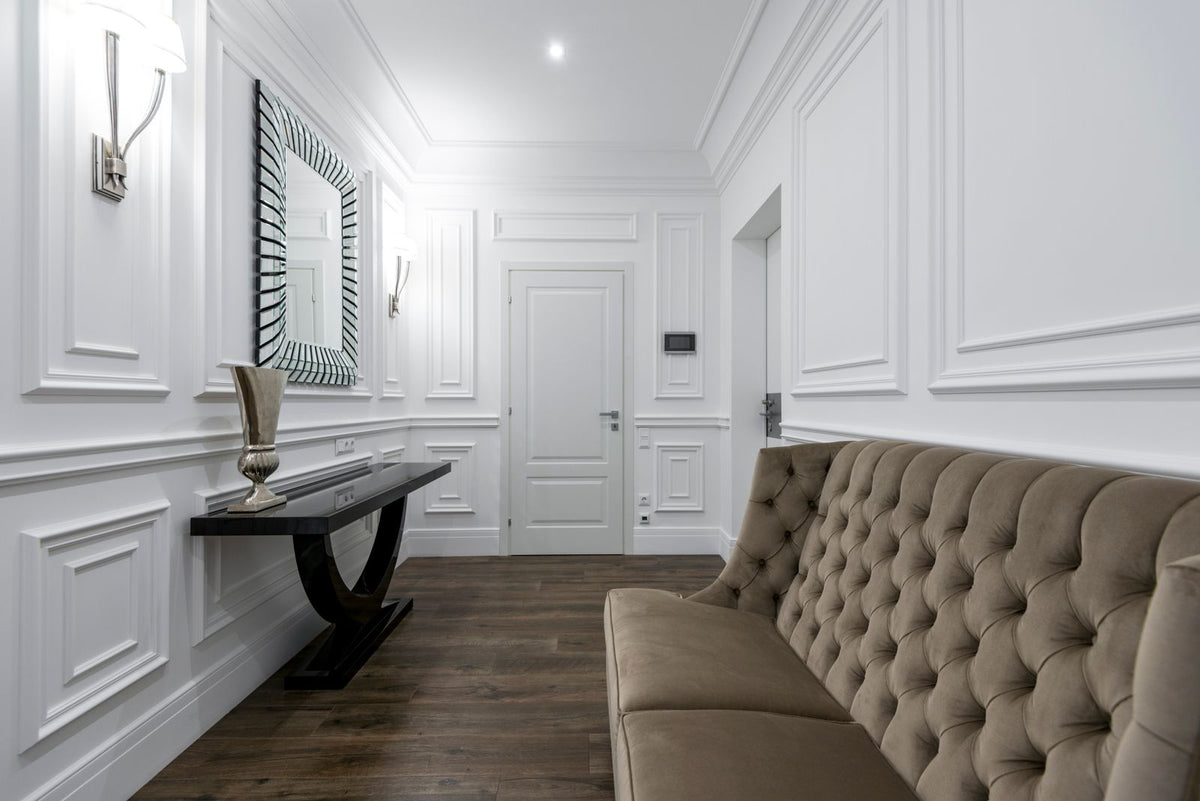
Venetian plaster in Pimlico stucco terraces works well when the old walls are treated with care, and Zavoré installs it by hand in Pimlico flats and houses throughout this corner of Westminster. Most of these nineteenth century terraces have solid brick walls and original lime plaster, so a lime based Venetian plaster or marmorino is usually the right partner. The wall has to be flat and sound first, which is why every job begins with a survey.
Our Venetian plaster installation page describes how each finish is laid, and the guide to Venetian plaster in London covers the rest of the capital. For the borough as a whole, see Venetian plastering in Westminster.
Pimlico is a grid of cream stucco terraces laid out in the nineteenth century, between Victoria and the river. Most of the houses are now divided into flats, with a tall raised ground floor, grand first floor rooms with long windows, smaller rooms higher up and a lower ground floor beneath the pavement. Behind the painted stucco fronts the walls are solid brick, and many rooms still keep their original plaster, cornices and ceiling roses.
Those features shape the choice of finish. A first floor drawing room with tall sash windows and a deep cornice suits a quiet polished surface, while a lower ground kitchen may call for something more forgiving.
Classic Venetian plaster is built up in thin coats of lime and marble and burnished until it glows. It gives the depth of a marble look, though it is not marble, and it suits a reception room or a fireplace wall. Because it is polished, it shows every dip, so old plaster that bows or bulges needs levelling first.
Marmorino keeps a visible grain and a satin sheen. It hides small irregularities better than a high polish and looks at home in hallways, stairwells and bedrooms in a period terrace. Both are lime finishes, so the solid brick behind them can keep breathing, which an acrylic finish that forms a film would not allow.
For a Pimlico bathroom, Venetian plaster belongs on the dry walls only. Inside a shower, tadelakt or microcement on a waterproofed wall is the answer, and the wall behind a shower still needs tanking even though the sealer makes microcement washable.
Much of Pimlico lies within a conservation area, and some terraces are listed. Listed building consent is generally needed for works that affect a listed building's character, so check with your local planning authority before plaster, cornices or mouldings are touched. Many leases need the freeholder's permission too, so check yours, and ask the managing agent about working hours, parking and access to communal stairs.
Preparation is where period homes differ most from new flats. At the survey we look at the condition of the existing plaster, any hollow or loose patches, old layers of paint, cracks, signs of damp and how flat each wall is. Lower ground floors in older houses can suffer from damp, and if a wall needs work before any finish goes on, we say so before quoting.
Start by sending photos of the rooms, drawings if you have them and rough measurements. We talk them through with you and book a survey. After that you receive a price and a sample to approve, and once the sample is agreed we set the dates. The plaster is tinted to that sample from 48 house colours or any NCS reference, and the work is planned in blocks of days so the same artisans remain with your flat until it is finished.
Often it can, provided the old plaster is sound and flat enough. Loose or hollow areas are repaired first, and walls that bow may need levelling before a polished finish. Lime on lime is a natural pairing because both let the solid brick behind them breathe.
Cornices and ceiling roses are masked and protected before any plaster goes on, and the finish is cut in neatly beneath them. If a cornice is already damaged, we can discuss repair or new coving as part of the same job.
Marmorino is usually the calmer choice for a hallway or stairwell, because its grain hides small knocks and irregularities in old walls. A higher polish suits a drawing room where the walls are flat and the light from tall windows can show off the depth.
Yes. Our own artisans install across Pimlico, Victoria, Westminster and the whole of London. Send photos and rough measurements and we will arrange a survey of the flat or house.
To discuss your Pimlico home, call +44 7592 929191, Monday to Saturday, 9am to 6pm, or email sales@zavore.co.uk with photos, rough measurements and the address. You can also order a sample board and view the colours beside your own cornices, in the morning and again in the evening.
The protective equipment and habits that keep you safe when working with limewash and lime, and how to ask Zavoré about limewash training.
Buying GuideA step by step guide for Kent homeowners who want to buy authentic Italian Venetian plaster for their own decorator to apply, from sample...
BerkshireWhat housebuilders and developers in Surrey and Berkshire should plan when specifying Venetian plaster for show homes and new homes, from...
BerkshireHow decorative plasterwork and gilding are repaired in listed country houses in Berkshire and Oxfordshire, from recording and consent to ...
HertfordshireHow mosaics can be used in Hertfordshire bathrooms and kitchens, with a nod to the Roman mosaics of Verulamium at St Albans, and practica...
SupplyZavoré sells Bee's Wax Natural, Bee's Wax Paste and Bee's Wax Metallica in Gold and Silver for polished plaster. Here is which one to ord...

Providing luxury finishes for the most prestigious addresses in the world
Venetian plaster, limewash, microcement, tadelakt, metallics, sculptural plaster and gold leaf, supplied and installed by our own team, with Venetian plaster taught at our Birmingham studio.
One list, run by the people who make the material. No noise, and nothing we would not want to read ourselves.
We email as the house has something worth saying, never daily. Unsubscribe from any email, or reply STOP to any text. We never pass your details to anyone.