

✦
Where Artistry Begins
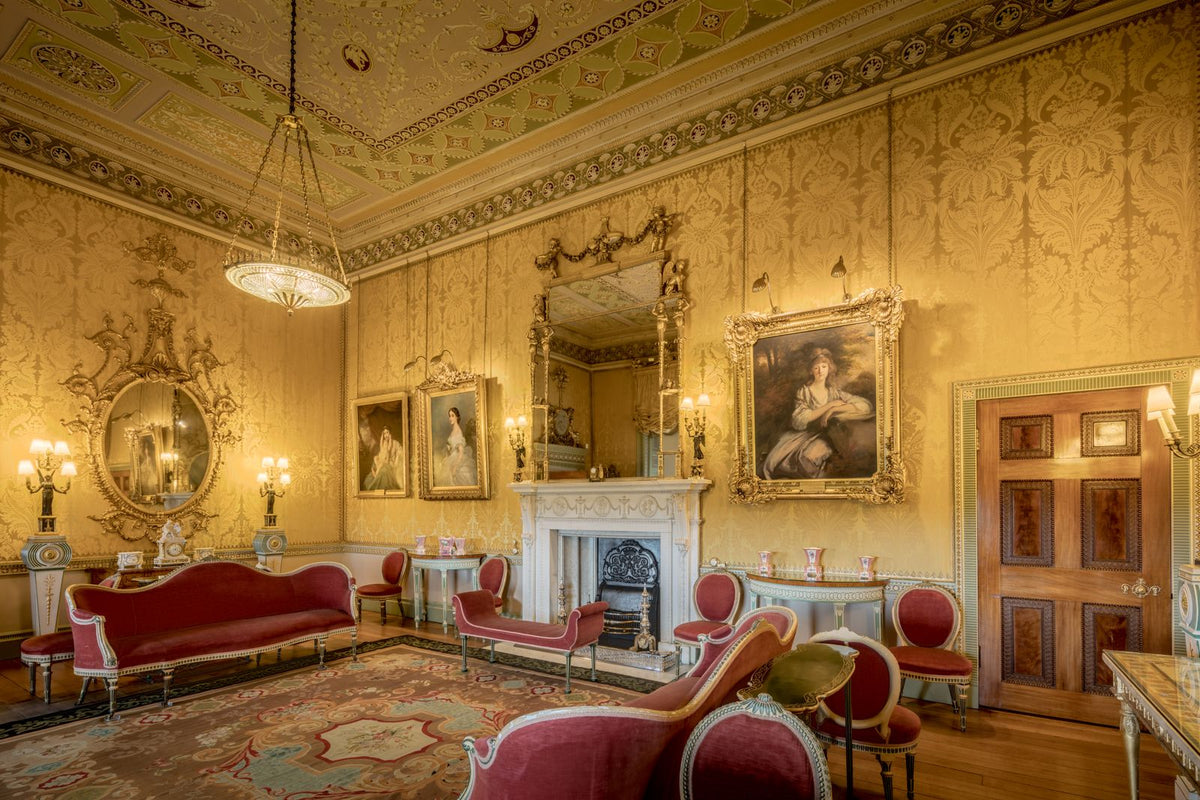
Bas relief walls for hotels, restaurants and receptions work well because a sculpted surface gives a public space an identity guests remember, from a logo rising out of the plaster behind a front desk to a landscape running the length of a dining room. Zavoré sculpts each relief by hand on site for commercial interiors across London and the UK, planning the work around how the venue operates.
Our bas relief installation page explains the commission from brief to finished wall, and Venetian plastering across the UK shows where our artisans install. This guide is for owners, operators, interior designers and fit out managers weighing up a sculpted plaster wall in a lobby, restaurant or reception.
A reception wall is the first thing a visitor sees and often the backdrop to every photograph taken in the building. Printed graphics and fixed signs can look like they were added later. A relief is carved into the wall itself, so the name, the motif or the story belongs to the architecture. Because it is sculpted rather than cast, nothing like it exists anywhere else, which suits a boutique hotel or a flagship restaurant that wants a space nobody can copy.
Subjects are wide open. A coastal hotel might choose waves and gulls, a city restaurant a skyline of domes and towers, a corporate headquarters its logo in low relief with clean geometric lines around it. We draw the design to the scale of the wall so the whole team can approve it before any plaster goes on.
In a restaurant the relief is seen from seats for an hour or more, so the long walls facing the tables and the wall behind a host stand tend to work hardest. Private dining rooms are another good place, where a sculpted scene can give a smaller room its own character for events. Corridors to washrooms and stair walls between floors are easy to overlook but people pass them constantly.
Think about the furniture plan early. Banquette backs, wall lights and picture rails all affect where the relief starts and stops, and it is far easier to design around them on paper than to adjust a finished wall.
A relief is built up in layers of plaster and refined until it reads as one surface with the wall, so it is a solid, permanent part of the room. The weak point in any public space is contact. Raised edges at hip height on a route where trolleys, suitcases and chairs pass will take knocks over time, so the design should reflect where people actually walk.
Practical steps help a great deal. Keep the finest carving higher on the wall, use broader, rounded forms where the wall is within reach, and leave a plain band above the skirting where vacuum cleaners and chair legs strike. We look at the traffic through the space at the survey and shape the drawing around it.
The finish laid over the sculpted surface matters as much as the carving. A relief can stay natural white, be painted in full colour, be tinted, or be finished with Venetian plaster, limewash or metallic detail. Each choice behaves differently once cleaning staff start wiping it down, so we talk through how the wall will be cared for before we agree the finish. Lime breathes, while acrylic products form a film on the surface, and that difference affects cleaning as well as appearance.
Colour follows an approved sample, from our 48 house colours or any NCS reference. Our sample board helps a design team judge tone under the actual lighting of the venue, ideally in the morning and again in the evening when guests arrive.
Yes, and in commercial interiors it often should. Lighting is planned at the design stage so channels and recesses are sculpted in from the start, with LED strips hidden behind arches, ledges, branches or the edges of letters. A logo can glow softly from behind, or light can spill from carved windows in a cityscape. The electrical connections are made by a qualified electrician, which fits neatly into most fit out programmes.
Low angled light across the surface brings out the depth, so the position of ceiling fittings and wall washers is worth agreeing with the lighting designer before the drawing is finalised.
Hotels and restaurants rarely close for long. We plan every installation in blocks of days so the same artisans stay with the relief from the first layer to the final finish, and the survey is where we agree how that fits the venue. Some sites prefer a closed period, others want the area screened off while service continues nearby, and some ask about working outside opening hours. Each option has its own effect on the programme, so tell us early what the operation needs.
If the building is listed, listed building consent is generally needed for works that affect its character, so check with your local planning authority. In leased premises many leases need the freeholder's permission, so check yours before the design is fixed.
For very long walls where pattern matters more than a single scene, repeated sculptural plaster panels may be quicker and more affordable. A bas relief is sculpted by hand for one wall with no repeat at all. Our bas relief page compares the two, and we will say plainly which suits your space.
Yes. A logo or lettering in relief is a common starting point for commercial work. Send the artwork and the wall dimensions, and we draw it to scale so you can check proportions, spacing and how it sits with the desk and lighting before work starts.
It depends on the finish chosen. We talk through the cleaning routine at the survey and pick a finish to match it. Raised detail should be dusted gently rather than scrubbed, and placing the finest carving out of reach reduces wear.
Yes. We are happy to take a brief from a designer, agree the drawing with the client and fit our blocks of days into the main programme. Early contact means the wall can be prepared to suit the relief.
Often, yes, depending on the area. At the survey we agree screening, access and timing so guests are disturbed as little as possible and the relief can be built up in order.
To discuss a sculpted wall for a hotel, restaurant or reception, call +44 7592 929191, Monday to Saturday, 9am to 6pm, or email sales@zavore.co.uk with photos, drawings, rough measurements and the address. Our London showroom and training centre can be visited by appointment.
How painting companies in Dubai can order Lime Paint for villa repaint work, with colours tinted room by room, labelled tubs and tracked ...
ContractorsHow plastering contractors can add microcement, tadelakt, limewash and Venetian plaster through Zavoré 1 to 1 Training, group courses of ...
Abu DhabiIf you searched for Venetian plaster paint for a villa in the UAE, here is what we actually supply, which real plaster to order instead a...
CoursesWhat three days on the Zavoré tadelakt course involve, from the base and radiused corners to the burnishing window, the stone, the soap a...
CoursesAn honest look at general plastering courses against the Zavoré Beginner Course in Venetian plaster at our Manchester centre, who each su...
Abu DhabiWhere Venetian plaster belongs in an Abu Dhabi villa bathroom, which finish takes over in the wet zone, and how the walls are sealed, sur...

Providing luxury finishes for the most prestigious addresses in the world
Venetian plaster, limewash, microcement, tadelakt, metallics, sculptural plaster and gold leaf, supplied and installed by our own team, with Venetian plaster taught at our Birmingham studio.
One list, run by the people who make the material. No noise, and nothing we would not want to read ourselves.
We email as the house has something worth saying, never daily. Unsubscribe from any email, or reply STOP to any text. We never pass your details to anyone.