

✦
Where Artistry Begins
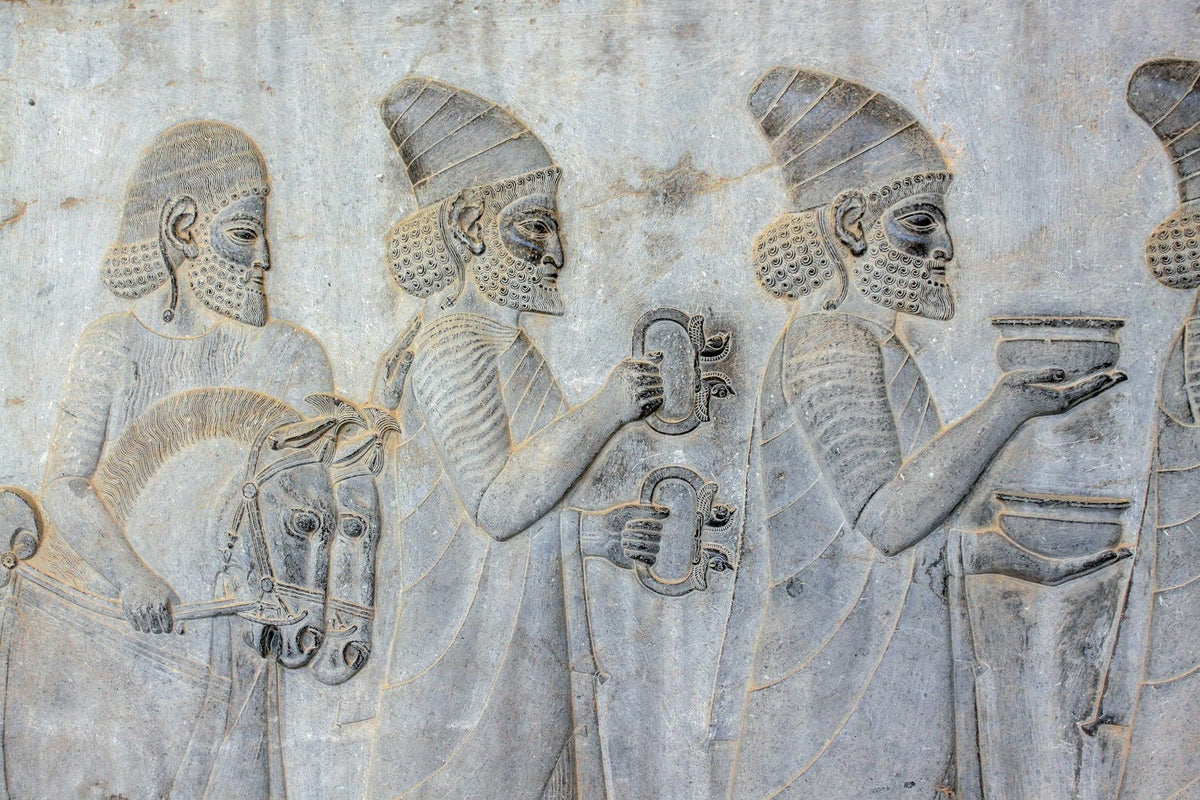
Bas relief, high relief and sunk relief are three ways of carving or modelling figures so that they stay attached to a flat background. In bas relief, or low relief, the design projects only slightly from the surface. In high relief, the forms stand out at least half their natural depth and parts may come completely free of the background. In sunk relief, the design is cut below the surface, so it sits within the wall rather than in front of it. This guide gives the definitions, famous examples of each, how relief is made in plaster today, and how to choose the right one for a wall.
Would you rather have it done for you? Our own applicators provide bas relief installation across the UK.

Britannica defines relief as any work in which the figures project from a supporting background, usually a flat surface. It sits between painting and sculpture in the round. You see it from the front, like a picture, but it has real depth that catches light and casts shadow. Relief is grouped by how far the forms project, and Britannica names the main kinds below.
In bas relief the design projects only slightly from the ground, and there is little or no undercutting of the outlines. Because nothing stands far out, bas relief is subtle, suits long friezes and is forgiving in a busy space.
In high relief, Britannica says, the forms project at least half or more of their natural circumference from the background and may in parts be completely free of it, coming close to sculpture in the round. Middle relief falls roughly between the two. High relief gives the strongest shadows and the most drama.

In sunk relief, also called incised relief, the carving is cut below the level of the surrounding surface and contained within a sharply incised outline. Britannica notes that this outline frames the image with a strong line of light and shade. Intaglio is related but carved as a negative image, like a mould.
Sunk relief is closely linked with ancient Egypt. The Metropolitan Museum of Art explains, in describing its limestone relief of Akhenaten Sacrificing a Duck, that the technique suited the outside walls of temples because the outlines cast shadows in strong sunlight. In the Amarna period, almost all relief was carved this way.

Stone and bronze reliefs are carved or cast in a workshop. Plaster gives another option, because it can be modelled directly onto the wall. Zavoré sculpts bas relief by hand in plaster on site. The design is agreed first, then the relief is built up and shaped in place, so it follows the wall exactly and has no joins or frame. The finished relief can be left white, painted or lit, and its depth can be chosen for the wall and the room.
The alternative is a cast relief, where a panel is moulded from a model and fixed to the wall. Casting suits repeats and patterns, while sculpting on site suits one off designs and anything that needs to wrap around a corner, an alcove or a curve.

For relief work in real homes, read about bas relief and sculptural walls in Surrey homes.
Bas relief, or low relief, is carving or modelling in which the design projects only slightly from a flat background, with little or no undercutting.
Depth. Bas relief stays close to the surface, while high relief projects at least half the natural depth of the forms and may stand partly free of the background.
The British Museum holds part of the Parthenon frieze and metopes, and the V&A displays Donatello's shallow marble Ascension relief.
Yes. Zavoré sculpts bas relief by hand in plaster on site, across the UK, and it can be left white, painted or lit.
Where to go next. See our 3D Wall Art and Bas Relief page, read about sculptural wall art in all its forms, or browse sculptural plaster walls and panels. To talk through a design, contact us, call or WhatsApp 07592 929191, or email sales@zavore.co.uk.
The protective equipment and habits that keep you safe when working with limewash and lime, and how to ask Zavoré about limewash training.
Buying GuideA step by step guide for Kent homeowners who want to buy authentic Italian Venetian plaster for their own decorator to apply, from sample...
BerkshireWhat housebuilders and developers in Surrey and Berkshire should plan when specifying Venetian plaster for show homes and new homes, from...
BerkshireHow decorative plasterwork and gilding are repaired in listed country houses in Berkshire and Oxfordshire, from recording and consent to ...
HertfordshireHow mosaics can be used in Hertfordshire bathrooms and kitchens, with a nod to the Roman mosaics of Verulamium at St Albans, and practica...
SupplyZavoré sells Bee's Wax Natural, Bee's Wax Paste and Bee's Wax Metallica in Gold and Silver for polished plaster. Here is which one to ord...

Providing luxury finishes for the most prestigious addresses in the world
Venetian plaster, limewash, microcement, tadelakt, metallics, sculptural plaster and gold leaf, supplied and installed by our own team, with Venetian plaster taught at our Birmingham studio.
One list, run by the people who make the material. No noise, and nothing we would not want to read ourselves.
We email as the house has something worth saying, never daily. Unsubscribe from any email, or reply STOP to any text. We never pass your details to anyone.