

✦
Where Artistry Begins
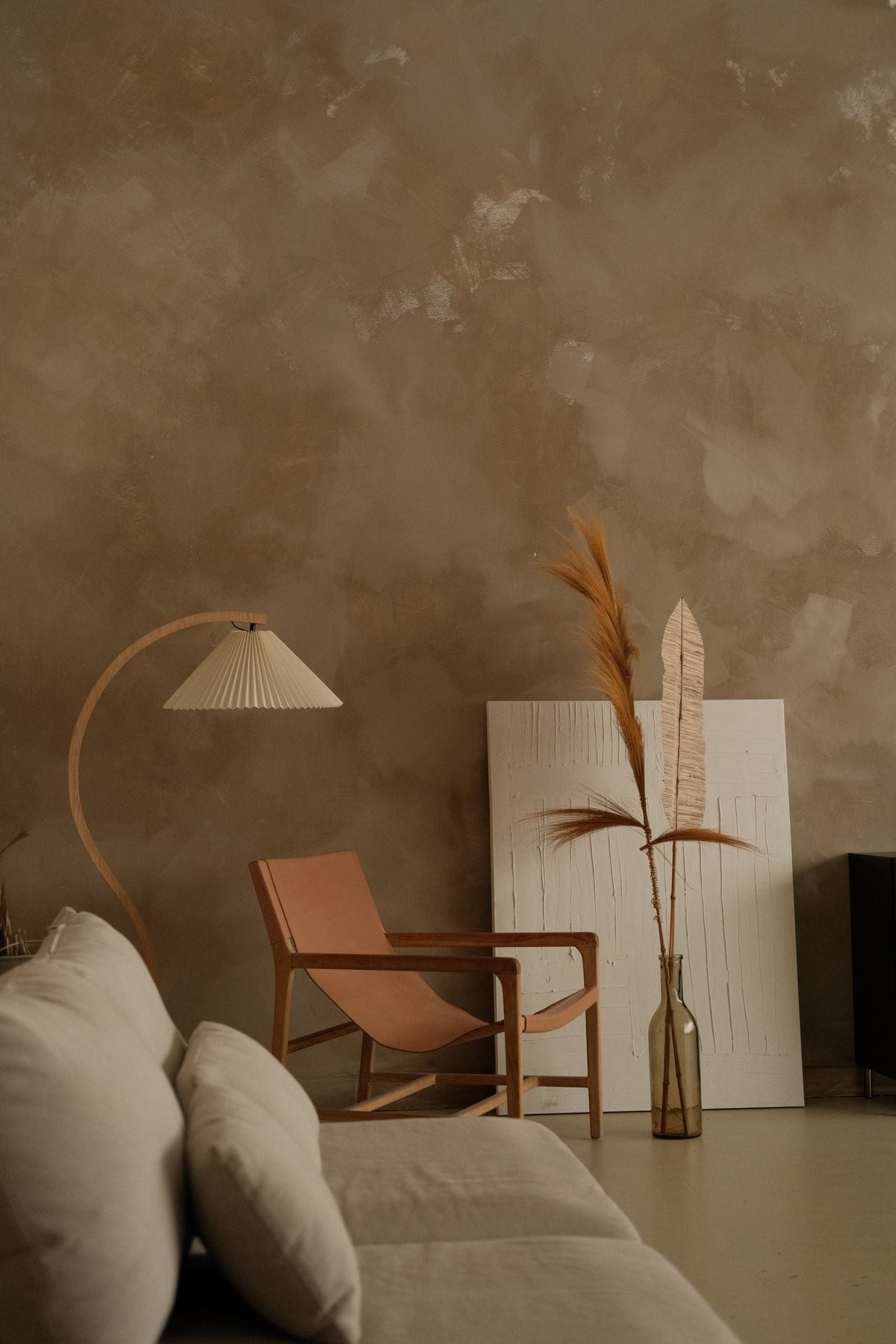
Venetian plastering in period properties works well when the finish is lime based, because old solid walls were built to let moisture move and lime lets them keep doing that. Zavoré installs lime based Venetian plaster, marmorino and limewash in Georgian, Victorian and older homes across the UK with our own artisans. The key is to survey the wall first, keep sound historic plaster where you can, and avoid sealing a breathing wall under a film.
Our Venetian plaster installation page sets out each stage of a job, and our page on Venetian plastering across the UK lists the areas we cover. This guide explains what is different about older walls, which finishes suit them and what to check before work starts.
Most houses built before the twentieth century have solid walls of brick or stone with no cavity, finished inside with lime plaster, often on timber lath for ceilings and partitions. Those walls take up moisture from the air and the ground and let it go again through the surface. Lime breathes, so a lime finish lets that cycle continue.
Acrylic and modern sealed coatings form a film. On an old solid wall that film can hold moisture behind it, and the result over time can be blistering, flaking or damp patches. That is why, in a period room, we nearly always suggest a lime based finish and why we look closely at what is already on the wall.
Of the three, limewash is the gentlest. Slaked lime thinned with water and a little pigment is brushed on in thin coats, giving soft, mottled colour that changes with the daylight. It suits cottages, bedrooms, stairwells and rooms with low ceilings or walls that are not dead straight.
Marmorino carries fine marble grain and can be worked from near matt to a soft sheen. It suits tall drawing rooms, halls and dining rooms where a finish with more presence sits well beside cornice, panelling and sash windows.
Polished Venetian plaster gives the classic marble effect wall. Ours is lime based, so it still suits a period room, but it shows every dip, so the wall must be flat. On an old uneven wall that may mean more preparation, which the survey will reveal.
Listed building consent is generally needed for works that affect a listed building's character, so check with your local planning authority before you book. Stripping historic plaster or cornice is a very different matter from brushing limewash over sound walls, and only the authority can say what applies to your house. Conservation areas can bring their own considerations too. If you own a flat in a converted house, many leases need the freeholder's permission, so check yours.
Lime is caustic while wet, so floors, joinery, stair rails and fireplace walls are protected before work begins. We do not publish installation prices or timescales, as both depend on what the survey finds.
Often, yes, provided the lath and plaster is sound and firmly fixed. Loose or hollow areas are repaired first, ideally in lime. A lime based finish then suits the wall, because it lets the old plaster keep breathing.
No. Damp should be traced and put right first, otherwise any finish will suffer. Once the wall is dry and sound, a lime based finish is the right choice for a solid wall.
It depends on the look and the room. Limewash gives soft, chalky movement and suits bedrooms and stairs. Marmorino gives a finer stone surface with a gentle sheen that suits a drawing room. A sample in your colour helps you decide.
Yes, in person. Our Beginner Course runs over 3 days, the Advanced Course over 4 days and 1 to 1 Training over 3 days, at the Zavoré Academy in Birmingham and our London and Manchester centres, with all materials included.
Own an older house and wondering whether lime or Venetian plaster is right for it? Call +44 7592 929191, Monday to Saturday between 9am and 6pm, or send photos, rough measurements and the address to sales@zavore.co.uk. A sample board is a good way to try colours meanwhile.
The protective equipment and habits that keep you safe when working with limewash and lime, and how to ask Zavoré about limewash training.
Buying GuideA step by step guide for Kent homeowners who want to buy authentic Italian Venetian plaster for their own decorator to apply, from sample...
BerkshireWhat housebuilders and developers in Surrey and Berkshire should plan when specifying Venetian plaster for show homes and new homes, from...
BerkshireHow decorative plasterwork and gilding are repaired in listed country houses in Berkshire and Oxfordshire, from recording and consent to ...
HertfordshireHow mosaics can be used in Hertfordshire bathrooms and kitchens, with a nod to the Roman mosaics of Verulamium at St Albans, and practica...
SupplyZavoré sells Bee's Wax Natural, Bee's Wax Paste and Bee's Wax Metallica in Gold and Silver for polished plaster. Here is which one to ord...

Providing luxury finishes for the most prestigious addresses in the world
Venetian plaster, limewash, microcement, tadelakt, metallics, sculptural plaster and gold leaf, supplied and installed by our own team, with Venetian plaster taught at our Birmingham studio.
One list, run by the people who make the material. No noise, and nothing we would not want to read ourselves.
We email as the house has something worth saying, never daily. Unsubscribe from any email, or reply STOP to any text. We never pass your details to anyone.