

✦
Where Artistry Begins
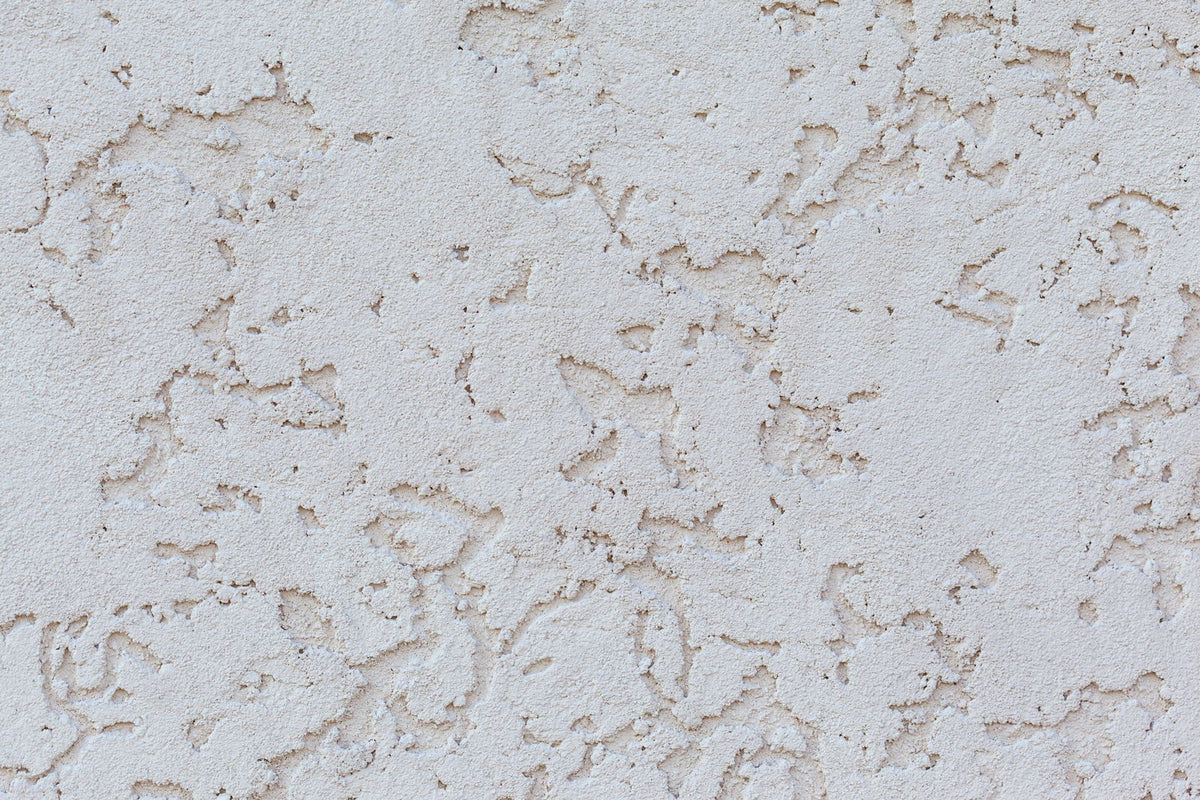
Stucco means two different things, and which one you get depends on the country you are standing in. In American English, stucco is an exterior render: a cement or lime mortar put on the outside of a building to weatherproof it. In Italian, stucco simply means a fine plaster, and stucco veneziano is the polished interior lime finish the UK calls Venetian plaster. If you are a British reader searching for stucco plaster, you almost certainly want the Italian one. Here is the whole muddle, sorted, so you can tell which is being sold to you.
Venetian plaster is what Zavoré supplies, installs and teaches, and our own team provides Venetian plaster installation across the UK.
In the United States, Canada and much of Australia, stucco is a building envelope material. It goes on outside walls, usually in coats over a lath or a mesh, and its job is to shed weather and give the building a hard, textured skin. It is mixed on site from cement, sand and lime, or bought as a bagged render. The finish is deliberately coarse: float, dash or scraped textures that hide movement and dirt.
That material is a render, and renders belong to the building trade rather than the decorative one. We do not supply it, we do not apply it, and if that is what you need you want a rendering contractor and a merchant who sells bagged mortars. There is no shame in the search; the word is just doing two jobs at once.
In Italy the word never left its older sense. Stucco is a fine plaster for interiors, and the Venetian variety, stucco veneziano, is slaked lime putty ground with marble dust, laid in thin coats over a primed wall and compressed with a steel trowel until it takes a polish. It is a finish, not a wall build up. It is a millimetre or two thick, not a centimetre. It goes indoors.
Every Italian decorative plaster house uses the word this way, which is why you see it scattered through product names: stucco suede, stucco crea, beton stucco, dolomiti stucco. In each case it means a fine plaster of a particular character, not a render. Our polished plaster page covers what the Venetian version looks like on a wall and where it belongs, and what is Venetian plaster covers the material itself.
| Stucco (American sense) | Stucco veneziano | |
|---|---|---|
| Where it goes | Outside walls | Inside walls and ceilings |
| Job | Weatherproofing and wall build up | Decorative finish over a prepared surface |
| Binder | Usually cement, sometimes lime | Slaked lime putty |
| Aggregate | Sand | Marble dust, graded fine |
| Thickness | Thick, built up in coats | Thin, a couple of coats |
| Surface | Coarse and textured | Burnished, from satin to a mirror |
| Applied by | Rendering contractors | Decorative plasterers |
| Sold as | Bagged mortar, mixed on site | Ready made paste, tinted in the tub |
The two share a word and a family tree and nothing else practical. One keeps rain out of a building. The other is what you look at over the fireplace.
In our experience, the interior one. British houses are rendered, roughcast, pebbledashed or left as brick, and the people who need that work search for render. The people who type stucco into a UK search box have usually seen a photograph of a smooth, deep, faintly cloudy wall in a hotel or a restaurant, found it described as stucco, and want to know what it is and whether they can have it. The answer is yes, and it is polished lime plaster.
There is one British exception worth knowing. Regency terraces in London, Bath, Brighton and Cheltenham have painted stucco fronts, a lime render ruled into blocks to imitate stone. That is a historic exterior finish with its own conservation rules and its own specialists. It is not what an Italian decorative plaster supplier sells either.
Because the word is ambiguous, judge the product and not the name. Four questions settle it quickly.
Then the family is wider than one product. Veneziano gives the deep, glassy, marble like polish most people picture. Marmorino, with a coarser marble grain, gives a softer stone surface that still burnishes. Textured lime finishes stay matt and sandy. All of them are lime, all are laid thin, all go indoors. Veneziano Plaster is £200 for 24kg, tinted to your colour in the tub.
Colour is chosen before the material is made, not painted on afterwards, so it is worth seeing the shade in the real finish. A sample board in your colour is £8. Everything else is in the shop, sent on tracked delivery.
Not in American English, where stucco means exterior render. In Italian it is, because stucco veneziano is the full name of the polished lime finish that English shortens to Venetian plaster. When a UK supplier of Italian materials says stucco, they mean the interior finish. When a US building site says stucco, they mean the render outside.
If you mean stucco veneziano or another fine Italian plaster, yes, that is exactly what it is for: walls, ceilings, feature panels, and with the right finish, wet rooms. If you mean cement render, no. It is too coarse to look right indoors and far too thick to lay over plasterboard.
Because in Italian the word simply means a fine plaster, so it is used the way we use the word finish. Stucco suede, stucco crea and beton stucco are different materials with different grains and different looks. The word tells you it is a decorative plaster; the rest of the name tells you which one.
Exterior render sheds weather but is not a waterproof membrane. Interior lime plaster is not waterproof either as laid, though it takes water well once sealed or waxed, and Tadelakt. Lime polished with stone and cured with soap, is genuinely water tolerant enough for showers. A polished wall in a normal room needs no waterproofing at all.
Where to go next: if you want the Italian finish, start on our polished plaster page to see what the surface actually does in a room, then order a sample board in your colour from the shop. If you want the American one, you want a renderer, and we would rather tell you that now than sell you the wrong tub.
The protective equipment and habits that keep you safe when working with limewash and lime, and how to ask Zavoré about limewash training.
Buying GuideA step by step guide for Kent homeowners who want to buy authentic Italian Venetian plaster for their own decorator to apply, from sample...
BerkshireWhat housebuilders and developers in Surrey and Berkshire should plan when specifying Venetian plaster for show homes and new homes, from...
BerkshireHow decorative plasterwork and gilding are repaired in listed country houses in Berkshire and Oxfordshire, from recording and consent to ...
HertfordshireHow mosaics can be used in Hertfordshire bathrooms and kitchens, with a nod to the Roman mosaics of Verulamium at St Albans, and practica...
SupplyZavoré sells Bee's Wax Natural, Bee's Wax Paste and Bee's Wax Metallica in Gold and Silver for polished plaster. Here is which one to ord...

Providing luxury finishes for the most prestigious addresses in the world
Venetian plaster, limewash, microcement, tadelakt, metallics, sculptural plaster and gold leaf, supplied and installed by our own team, with Venetian plaster taught at our Birmingham studio.
One list, run by the people who make the material. No noise, and nothing we would not want to read ourselves.
We email as the house has something worth saying, never daily. Unsubscribe from any email, or reply STOP to any text. We never pass your details to anyone.