

✦
Where Artistry Begins
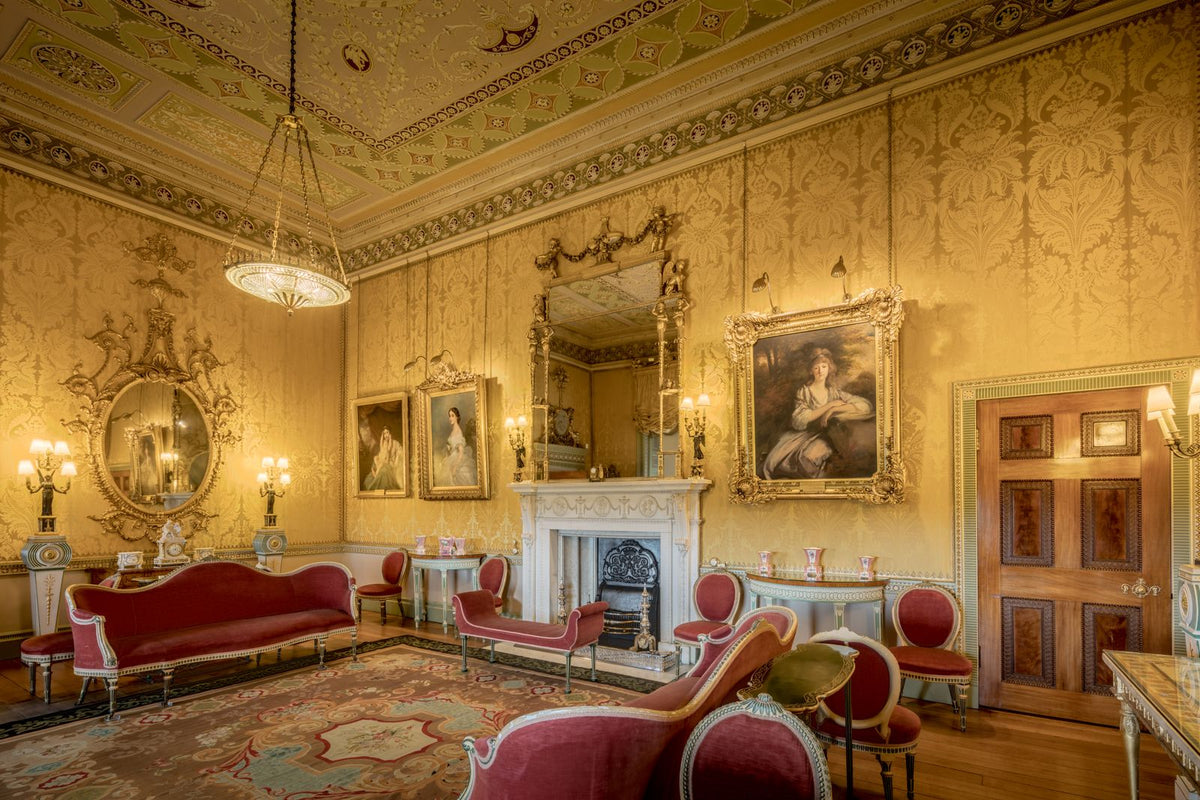
Whether you need listed building consent to replaster a listed London home depends on what the work changes. In general, consent is needed for works that affect a listed building's character, and removing historic lime plaster can fall into that, while redecorating an existing surface often does not. Zavoré always advises owners in Westminster, Mayfair and across central London to check with their local planning authority before any historic plaster is taken off.
This guide sets out the questions to ask and how a lime finish can respect old fabric. It is general guidance, not legal advice. For how we carry out the work itself, see Venetian plaster installation, and for the districts we serve, Venetian plastering in London.
When a building is listed, the listing covers the whole building, inside and out, not only the front elevation. In a Georgian townhouse in Mayfair or a Regency house in Marylebone, that can include original plaster walls, cornices, ceiling roses and joinery. These are part of what makes the building special, and they are protected along with the façade.
This surprises some owners, who assume that internal decoration is entirely their own business. Painting a wall is usually seen as routine decoration. Taking off old plaster, cutting into cornices or changing the layout of rooms is a different matter, because the historic fabric is altered.
It depends on what replastering means in your room. If the historic lime plaster is sound and the plan is to lay a thin decorative finish over it, the change to the building's fabric is small. If the plan is to strip the walls back to brick or lath and start again, much of the original material is lost. The second is far more likely to need consent.
The only reliable answer comes from your local planning authority. In central London that means the borough where the house sits, such as Westminster, Kensington and Chelsea or Camden. Many have conservation officers who can advise on what needs consent before you commit. Ask early, describe the work clearly and keep a written record of the reply.
No. Many central London streets sit within conservation areas, which are generally concerned with the character of a whole area as it is seen and experienced. Listing applies to individual buildings and covers the interior as well as the outside. A house can be in a conservation area without being listed, or it can be both. Your local planning authority can confirm which applies to your address and what that means for the work you have in mind.
Most London houses built before the twentieth century have solid brick walls finished in lime plaster. Lime breathes, so moisture can move through the wall and escape. Many modern products form a film on the surface instead, which can hold moisture in an old wall and lead to damp or flaking over time. A lime finish works with the building rather than against it.
That is why lime based Venetian plaster and marmorino are often a sympathetic choice in historic rooms. They can give a soft stone texture or a marble effect while keeping the wall breathable. Where the old plaster is sound, a decorative coat can be laid over it with only minimal preparation, which keeps more of the original fabric in place.
We start with photos, drawings and rough measurements, then visit for a survey. There we look at the condition of the existing plaster, note any historic features such as cornices and panelling, and discuss what you hope to achieve. If anything in the plan could affect historic fabric, we will say so and suggest you raise it with the planning authority before work is booked.
You then approve a sample, tinted to your choice from 48 house colours or any NCS reference. The work is planned in blocks of days with the same artisans throughout, and the room, its joinery and its plasterwork are protected. Our pages on Venetian plastering in Westminster and Venetian plastering in Mayfair say more about working in those districts.
If you are still deciding on a finish, start with our complete guide to what Venetian plaster is, and when you are ready to find the right team, read our guide to Venetian plasterers in London.
Often a lime finish can be laid over sound existing plaster, but whether consent is needed depends on the building and the work. Check with your local planning authority first, especially if any old plaster would be removed or features would be covered.
Your local planning authority. In central London that is the borough council for your address. Their conservation officers can usually tell you whether the work you describe needs listed building consent, and it is wise to have that answer in writing before you book anything.
Repair is usually the gentler route, using compatible lime so that the patch breathes and moves like the wall around it. Replacing large areas removes historic material and is more likely to need consent. A survey shows which parts are sound and which need attention.
If you own a listed or period house in central London and would like a lime finish, send photos, rough measurements and the address to sales@zavore.co.uk or call +44 7592 929191, Monday to Saturday, 9am to 6pm. We will talk through the walls and arrange a survey when you are ready.
The protective equipment and habits that keep you safe when working with limewash and lime, and how to ask Zavoré about limewash training.
Buying GuideA step by step guide for Kent homeowners who want to buy authentic Italian Venetian plaster for their own decorator to apply, from sample...
BerkshireWhat housebuilders and developers in Surrey and Berkshire should plan when specifying Venetian plaster for show homes and new homes, from...
BerkshireHow decorative plasterwork and gilding are repaired in listed country houses in Berkshire and Oxfordshire, from recording and consent to ...
HertfordshireHow mosaics can be used in Hertfordshire bathrooms and kitchens, with a nod to the Roman mosaics of Verulamium at St Albans, and practica...
SupplyZavoré sells Bee's Wax Natural, Bee's Wax Paste and Bee's Wax Metallica in Gold and Silver for polished plaster. Here is which one to ord...

Providing luxury finishes for the most prestigious addresses in the world
Venetian plaster, limewash, microcement, tadelakt, metallics, sculptural plaster and gold leaf, supplied and installed by our own team, with Venetian plaster taught at our Birmingham studio.
One list, run by the people who make the material. No noise, and nothing we would not want to read ourselves.
We email as the house has something worth saying, never daily. Unsubscribe from any email, or reply STOP to any text. We never pass your details to anyone.