

✦
Where Artistry Begins
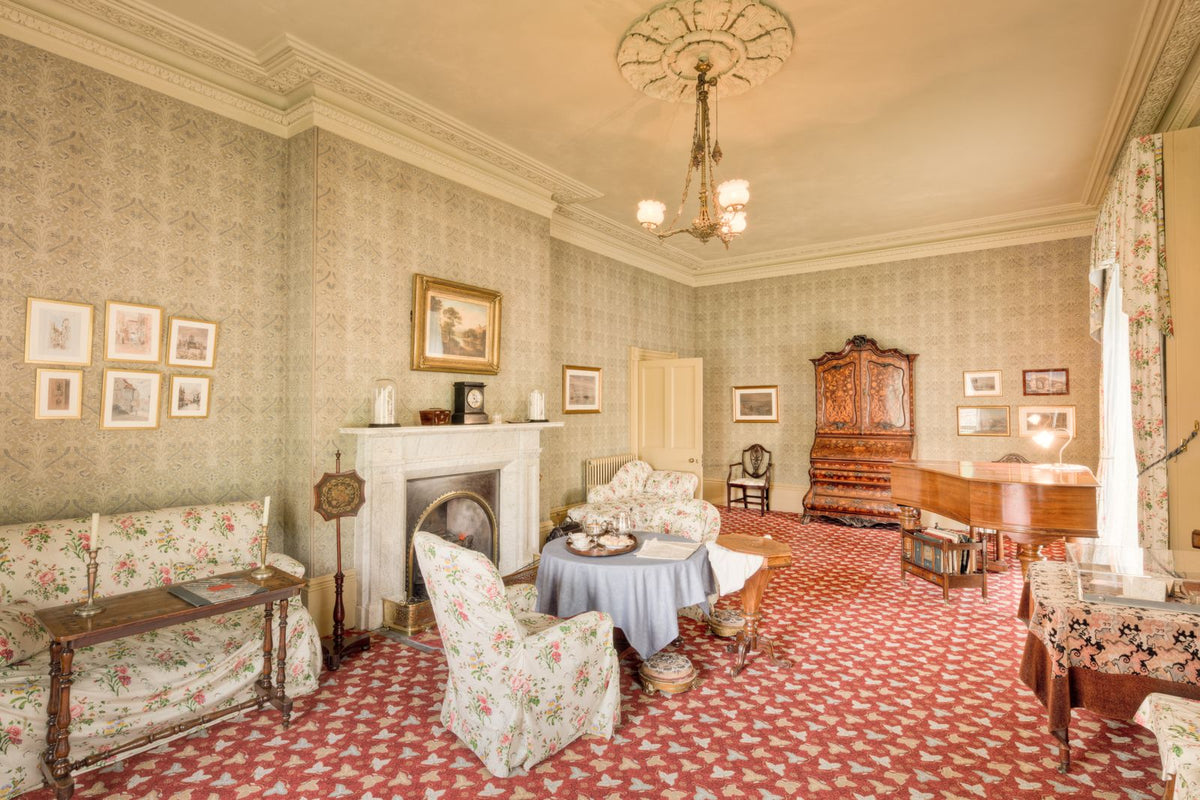
Venetian plaster in Chiswick and Barnes family homes works well in both the old rooms and the new ones. Zavoré lays lime based Venetian plaster in Victorian and Edwardian houses on both banks of the Thames, and the same finish can run from a solid brick front room into a plasterboard kitchen extension, provided each wall is prepared for what it is made of and checked for flatness first.
Our page on Venetian plaster installation explains how our own artisans lay the finish, and our wider guide to Venetian plaster in London covers the rest of the capital. This post looks closely at the riverside houses of W4 and SW13 and the questions their owners tend to ask.
Most of Chiswick grew up in the late nineteenth and early twentieth centuries. Long runs of brick terraces fill the streets between Chiswick High Road and the river, with larger semis and detached villas around Grove Park and Strand on the Green, and the red brick Queen Anne style houses of Bedford Park to the north. Across Hammersmith Bridge, Barnes has its own mix of Victorian villas along Castelnau, cottages near the village pond and the green, and Edwardian family houses close to Barnes Common.
What these homes share is solid masonry at the front and, very often, something modern at the back. A side return, a glass box kitchen or a loft dormer usually brings plasterboard, fresh skim and steel into a house that was built of brick and lime. That mixture is the main thing to plan for when choosing polished plaster or marmorino.
Usually yes. Our Venetian plaster range is lime based, and lime lets moisture pass through rather than trapping it behind a skin. That makes it a natural partner for the solid brick and old lime plaster found in a Victorian front room or an Edwardian hall. An acrylic product works differently, because it forms a film on the surface, and on old masonry that is rarely the kind choice.
The catch is flatness. A polished finish shows every dip and ridge, so walls that have moved, been patched over the decades or carry several layers of old paint may need stripping back, filling or a new base coat before the decorative coats begin. Loose areas of original plaster are tapped and marked at the survey so nothing is hidden under the new surface.
Extensions are where many families want the finish most, because the kitchen and dining space is where they spend their days. A seamless Venetian plaster wall behind a long run of units, or a soft marmorino across a whole garden room, ties the new space back to the period rooms in front of it.
New plasterboard needs care. The joints are reinforced so they do not show through as fine lines, and the right primer goes on so the first coat grips evenly. Fresh skim must be fully dry first. Where an extension wall meets the old house, the junction is worth talking through at the survey, since the two parts of the building may move slightly differently over the seasons.
Halls and stairwells take the most knocks, so a hard wearing lime finish with a good wax helps there. Front reception rooms with tall ceilings and original cornice suit a quiet stone colour that lets the mouldings speak. A fireplace wall in the sitting room can carry a deeper tone or a higher shine as the focus of the room. Bedrooms often get a softer marmorino or limewash. Bathrooms are the exception, as Venetian plaster is not for inside a shower; tadelakt or microcement on a waterproofed wall is the right answer, and even then the wall behind the shower still needs tanking.
It helps if the builder, electrician and joiner have finished and the room is dry and clear. Lime is caustic while wet, so keep children and pets out of the room during the work. There is no set timescale, because each house is different and the plan is fixed at the survey.
For most family homes, a change of wall finish inside is simply decoration. If your house is listed, listed building consent is generally needed for works that affect a listed building's character, so check with your local planning authority before removing any original plaster. If you live in a converted flat, many leases need the freeholder's permission for works, so check yours.
Yes. The plaster is tinted to the approved sample, so the colour is consistent across both parts of the house. The preparation differs between brick, lime and plasterboard, but the finished surface can read as one continuous wall from the front hall to the garden doors.
No. It gives a marble look, built up from thin coats of lime and fine marble that are burnished to a sheen, but it is not stone. That means no slab joints and none of the weight that real marble would put on a wall in a terrace or semi.
Order the sample board and hold it against the wall in the morning and again in the evening. Rooms facing the garden and rooms facing the street can make the same shade look quite different, so seeing it at home is far safer than choosing from a screen.
Yes. Plaster materials are sold in our shop and tinted to your sample. If your decorator would like to learn the technique first, our courses run in person in London, Birmingham and Manchester.
To talk about your Chiswick or Barnes home, call +44 7592 929191, Monday to Saturday between 9am and 6pm, or write to sales@zavore.co.uk with photos of the rooms, rough measurements and the address. Visits to our London showroom and training centre are by appointment.
The protective equipment and habits that keep you safe when working with limewash and lime, and how to ask Zavoré about limewash training.
Buying GuideA step by step guide for Kent homeowners who want to buy authentic Italian Venetian plaster for their own decorator to apply, from sample...
BerkshireWhat housebuilders and developers in Surrey and Berkshire should plan when specifying Venetian plaster for show homes and new homes, from...
BerkshireHow decorative plasterwork and gilding are repaired in listed country houses in Berkshire and Oxfordshire, from recording and consent to ...
HertfordshireHow mosaics can be used in Hertfordshire bathrooms and kitchens, with a nod to the Roman mosaics of Verulamium at St Albans, and practica...
SupplyZavoré sells Bee's Wax Natural, Bee's Wax Paste and Bee's Wax Metallica in Gold and Silver for polished plaster. Here is which one to ord...

Providing luxury finishes for the most prestigious addresses in the world
Venetian plaster, limewash, microcement, tadelakt, metallics, sculptural plaster and gold leaf, supplied and installed by our own team, with Venetian plaster taught at our Birmingham studio.
One list, run by the people who make the material. No noise, and nothing we would not want to read ourselves.
We email as the house has something worth saying, never daily. Unsubscribe from any email, or reply STOP to any text. We never pass your details to anyone.